Är pappersstrån verkligen hållbara - eller bara gröntvätt? Ett B2B -imperativ för informerad inköp
När inköpschefer, verksamhetschefer och hållbarhetsansvariga navigerar i det komplexa landskapet av företagsansvar, har övergången från plast- till pappershalmrör blivit en synlig symbol för miljöengagemang. Men under ytan av allmänhetens uppfattning döljer sig en nyanserad verklighet som utmanar den utbredda tron på pappersstråns inneboende hållbarhet. Den här artikeln dissekerar det verkliga miljöavtrycket från pappersstrån, exponerar potentiella "greenwashing" och vägleder B2B-beslutsfattare mot genuint hållbara lösningar. Att ignorera dessa insikter riskerar inte bara operationell ineffektivitet och eskalerade kostnader utan också betydande skador på ryktet och potentiella regulatoriska påföljder på en alltmer granskad marknad.
Den globala pushen för hållbara lösningar och plastförbud
Det utbredda antagandet av sugrör av papper var till stor del ett svar på det eskalerande trycket från allmänheten och reglering som drevs av oro över havsplastföroreningar. Levande bilder, som en havssköldpadda intrasslad med ett plasthalm, galvaniserade globala åtgärder, vilket gör plaststrån till en påtaglig symbol för miljöskador. Detta offentliga ramaskri översattes snabbt i omfattande lagstiftningsåtgärder. Storbritannien förbjöd engångsstrån av plast 2020, följt av 27 EU-länder i juni 2021, och liknande åtgärder vidtogs i olika städer och delstater i USA.
Utöver regeringsmandat signalerade stora företag, inklusive flygbolag, hotell och nöjesparker, proaktivt sitt engagemang genom att ersätta plaststrån, vilket skapade en betydande marknadsförändring. Denna kollektiva rörelse syftade till att minska plastavfall, förbättra miljökraven och möta konsumenternas förväntningar på miljömedvetna varumärken. Men den snabba omställningen till pappersstrån, även om den är välmenande, har avslöjat en komplex rad dolda kostnader och oavsiktliga konsekvenser som kräver noggrann granskning av B2B-beslutsfattare.
Den globala övergången till pappersstrån, driven av offentligt och regulatoriskt tryck, avslöjar dolda kostnader och oavsiktliga konsekvenser för B2B-beslutsfattare.
Dekonstruera "hållbarhet": bortom initiala uppfattningar om pappersstrån
Resan från plast- till papperssugrör försvarades som en ren miljövinst. Ändå avslöjar en djupare dykning i pappersstråns livscykel en mer intrikat och ofta problematisk verklighet, som utmanar deras upplevda miljövänlighet.
Bortom biologisk nedbrytbarhet: de dolda miljökostnaderna för papperssulmrör
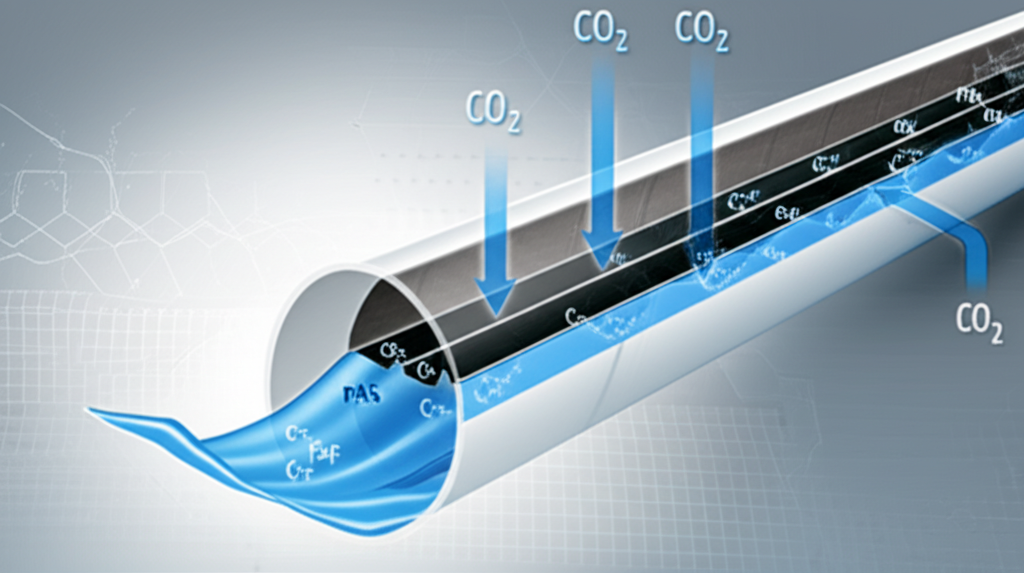
Medan pappersstrån ofta hyllas för sin biologiska nedbrytbarhet, berättar deras tillverkningsprocess en annan historia. Massa- och pappersindustrin, som levererar råvarorna till dessa strån, är en energiintensiv sektor som står för cirka 6 % av den globala industriella energianvändningen och 2 % av de direkta industriella CO2-utsläppen. Detta betydande energibehov är ofta beroende av fossila bränslen, vilket i hög grad bidrar till utsläppen av växthusgaser.
Life Cycle Assessment (LCA) insights further underscore these concerns. A 2022 study published inScience of the Total Environmentcompared the environmental impact of various straw materials and indicated that paper straws (PA) had a Global Warming Potential (GWP) of 2.58E+06 kg CO2 eq. This figure is significantly higher than that of polypropylene (PP) plastic straws, which measured 5.66E+05 kg CO2 eq in the same study. The research highlighted that replacing PP straws with paper alternatives to curb marine plastic pollution could incur environmental costs in other categories, such as climate change impact.
Dessutom är papperstillverkningen notoriskt vattenintensiv och förbrukar enorma mängder färskvatten. Om det inte kommer från ansvarsfullt förvaltade skogar certifierade av organ som Forest Stewardship Council (FSC), kan efterfrågan på papper också bidra till avskogning, vilket leder till förlust av livsmiljöer och minskad kolbindningskapacitet. Dessa faktorer visar att pappersstråns miljöavtryck sträcker sig långt bortom deras nedbrytning i slutet av deras livslängd.
Den oroande verkligheten hos PFAS-kemikalier i papperssugarrör
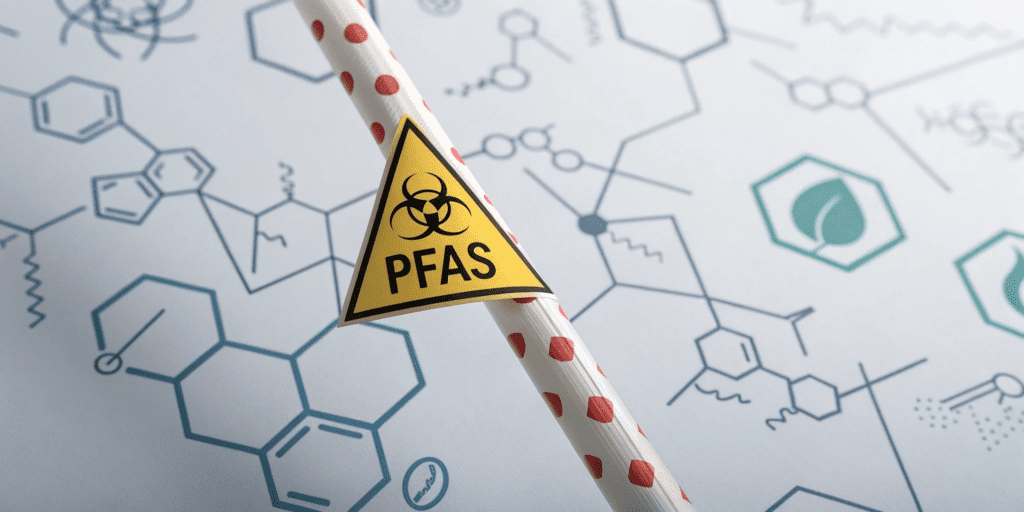
En av de kanske mest alarmerande avslöjandena när det gäller papperssugrör är den utbredda förekomsten av per- och polyfluoralkylsubstanser (PFAS). Dessa "för evigt kemikalier" används ofta som vattenavvisande beläggningar för att förbättra hållbarheten hos pappersstrån, ett kritiskt designfel i deras inneboende material. En studie från augusti 2023 publicerad iLivsmedelstillsatser och föroreningargenomförd av belgiska forskare fann PFAS i 90 % av testade pappersstråvarumärken i Europa, vilket gör dem till det mest sannolika materialet att innehålla dessa problematiska ämnen för alla undersökta halmtyper.
Implikationerna av PFAS är djupgående. Dessa kemikalier är mycket långlivade, bryts ner otroligt långsamt under tusentals år och ackumuleras i miljön och biologiska system. De har kopplats till en rad allvarliga hälsoproblem, inklusive sköldkörtelsjukdom, leverskada, njurcancer, testikelcancer, ökat kolesterol och till och med lägre vaccinsvar. Förekomsten av PFAS strider direkt mot de "miljövänliga" och "biologiskt nedbrytbara" marknadsföringspåståendena från många pappersstrån, vilket utsätter företag för betydande efterlevnadsrisker, särskilt med nya regler som riktar sig till dessa farliga föreningar.
Hållbarhet, funktionalitet och missnöje hos konsumenterna
Utöver deras dolda miljökostnader, utgör pappersstrån också betydande utmaningar i drift och kundupplevelse. Deras inneboende materialegenskaper gör att de kämpar med hållbarheten, speciellt när de utsätts för vätskor under längre perioder. Forskning publicerad iBioResources2019 visade att pappersstrån kan förlora över 75% av sin fasthet och 70-90% av sin tryckhållfasthet efter bara 20-30 minuter i vätska. Denna snabba nedbrytning leder ofta till frustration bland konsumenterna eftersom sugrören blir blöta, kollapsar eller löses upp innan en drink är färdig.
This poor functionality has practical consequences for businesses. Customers may resort to using multiple straws per drink, inadvertently negating some of the intended environmental benefits and increasing waste volume. This can also lead to negative brand perception, with consumers associating the poor performance of the straw with the overall quality of the establishment’s offerings, thereby impacting brand loyalty and perceived value.
Paper straws’ production, PFAS content, and poor durability challenge their perceived eco-friendliness and impact customer satisfaction.
The “Greenwashing” Dilemma: Unpacking Misleading Claims
The rapid adoption of paper straws has inadvertently created fertile ground for “greenwashing,” where companies make unsubstantiated or misleading claims about their environmental practices or products.
Unmasking Greenwashing Concerns in the Paper Straw Market
Ett iögonfallande exempel på greenwashing inträffade när McDonald's UK introducerade "100 % återvinningsbara" papperssulmstrån 2018 för att ersätta plast. Trots miljöpåståendet kunde dessa pappersstrån till slut inte återvinnas på grund av brist på lämplig infrastruktur för att bearbeta deras tjocklek och beläggningar, vilket leder till att de hamnar på deponier eller förbränning, eller till och med hav. Detta belyser en kritisk koppling mellan marknadsföringspåståenden och verkligheten i slutet av livet. EU:s riktlinjer för miljöpåståenden avråder uttryckligen vaga allmänna påståenden som "miljövänligt" just för att de kan vilseleda konsumenter och underlätta greenwashing.
Many recycling facilities are not equipped to process food-contaminated paper products or paper straws with certain coatings, even if the base material is paper. This infrastructure gap significantly hinders the circularity of paper straws, pushing them into waste streams despite being labeled as recyclable or compostable. This challenge underscores the need for businesses to look beyond superficial claims and scrutinize the entire supply chain and disposal infrastructure.
Ytliga lösningar kontra systemisk påverkan
Fokus på att förbjuda plaststrån, även om det är symboliskt, tar upp en relativt liten miljöfråga sett i ett bredare sammanhang. Plaststrån utgör en minimal 0,025% av den stora mängd plast som kommer ut i havet årligen. Detta oproportionerliga fokus kan avleda uppmärksamhet och resurser från mycket större källor till plastföroreningar, såsom övergivna fiskenät eller industriella utsläpp.
Expertkritik, särskilt från företag som Boston Consulting Group (BCG), har stämplat fokus på pappersstrån som till stor del en "röd sill". BCG noterar att denna förändring hade mycket liten inverkan på bredare plastavfall och frågor om biologisk mångfald. Ännu värre, genom att smutskasta ryktet om genuint hållbara produkter på grund av deras dåliga prestanda eller dolda miljökostnader, pressade det oavsiktligt konsumenterna tillbaka mot plast, vilket urholkade förtroendet för miljövänliga alternativ. För företag innebär stora strategiska risker att investera mycket i en "lösning" som i slutändan är ytlig eller till och med kontraproduktiv.
Greenwashing in the paper straw market highlights a critical disconnect between marketing claims and actual environmental impact.
Strategic Procurement: Evaluating Sustainability for B2B Operations
For procurement managers, operations directors, and sustainability officers, the nuanced reality of paper straws demands a sophisticated approach to sourcing. Simply switching from plastic to paper based on surface-level assumptions can lead to unforeseen challenges and undermine genuine sustainability goals.
The transition to paper straws, particularly those that are not truly sustainable, has led to escalated procurement costs. Paper straws are typically two to three times more expensive than their plastic counterparts, directly impacting operational budgets and potentially eroding profit margins if not offset by other efficiencies or price adjustments.
Dessutom introducerar inköp av genuint hållbara pappersstrån en betydande komplexitet i försörjningskedjan. Det kräver noggrann granskning av verifierbara certifieringar, såsom FSC för ansvarsfull skogsförvaltning och oberoende tredjepartscertifieringar (t.ex. BPI, DIN CERTCO) för industriella komposterbarhetsstandarder som ASTM D6400/D6868 (Nordamerika) och EN13432 (Europa). Avgörande är att företag måste kräva PFAS-fri garanti för att minska hälso-, miljö- och efterlevnadsrisker. Denna ökade due diligence kräver djupare leverantörsrelationer och robusta revisionsprocesser.
Perhaps most critically, companies that make unsubstantiated green claims, whether intentionally or inadvertently, face significant reputational risk. In an era of heightened consumer awareness and regulatory scrutiny, accusations of greenwashing can severely damage brand trust and loyalty, leading to consumer backlash, negative media coverage, and even potential legal penalties. For instance, the Korea Fair Trade Commission has proposed amendments to its “Review Guidelines Regarding Greenwashing” to prevent indiscriminate marketing. Proactive risk mitigation requires transparency and verifiable data.
| Särdrag | B2B operationell påverkan | Efterlevnadsanteckning | ROI -potential |
|---|---|---|---|
| Plast (PP) | Low upfront cost, high durability, readily available. | Increasingly banned globally (e.g., UK 2020, EU 2021 Single-Use Plastics Directive). | Negative ROI due to potential fines, PR crises, and lost revenue. |
| Paper (Coated/PFAS) | Moderate cost, poor durability, customer complaints. | Risk of non-compliance with emerging PFAS regulations, greenwashing laws (e.g., EU Environmental Claims Guidance). | Low ROI due to increased waste, consumer dissatisfaction, potential fines. |
| Paper (PFAS-Free, Certified Com.) | Higher cost, improved but still limited durability. | Adheres to ASTM D6400/EN13432 for industrial composting; FSC-certified sourcing. | Moderate ROI from positive brand image, but higher operational cost. |
| PLA Bioplastic (Industrial Com.) | Higher cost, better durability than paper, specific disposal needs. | Requires industrial composting facilities (e.g., ASTM D6400 certified). | Moderate ROI if robust industrial composting infrastructure available and aligned with local facilities. |
| Reusable (Stainless Steel/Bamboo) | High upfront investment, requires cleaning/logistics infrastructure. | Promotes circular economy principles, reduces single-use reliance. | High long-term ROI from waste reduction, strong brand loyalty, reduced procurement. |
Strategic procurement demands rigorous vetting of straw alternatives to mitigate costs, compliance risks, and reputational damage.
Innovating for True Sustainability: Next-Gen Solutions
Moving beyond the pitfalls of conventional paper straws requires embracing truly innovative and verifiable sustainable solutions that address both environmental impact and operational performance.
Certified Industrially Compostable Solutions
For businesses committed to single-use options, the focus must shift to materials and products that meet stringent industrial compostability standards. Products certified to standards like ASTM D6400/D6868 (North America) and EN13432 (Europe) ensure that materials break down completely within 180 days in commercial composting facilities, leaving no harmful residues. These certifications provide a verifiable benchmark that goes beyond mere “biodegradable” claims.
Innovative materials such as PHA (polyhydroxyalkanoate) straws represent a promising alternative. PHA is a biopolymer derived from natural sources, like canola oil, offering enhanced durability and a feel similar to traditional plastic, while boasting remarkable biodegradability credentials. For businesses seeking genuine eco-friendly options, exploring thebästa biologiskt nedbrytbara sugrör som inte är papperis a strategic imperative.
Case Study: Phade® Straw Adoption:Phade® straws, made from PHA, exemplify this next generation of sustainable solutions. They have achieved rigorous certifications, including TUV Austria’s ‘OK compost HOME’ and ‘OK biodegradable MARINE’ certifications, signifying their ability to break down in both industrial and home composting environments, as well as marine ecosystems. Leading foodservice distributors have integrated PHA straws into their offerings, recognizing their superior durability and verified end-of-life pathways. This adoption allows companies to avoid the functionality issues and greenwashing accusations associated with earlier paper straw iterations, demonstrating a genuine commitment to environmental stewardship without compromising customer experience. Delve deeper into the environmental comparison ofsugarcane straws versus plastic and paperto make informed choices.
The Power of Reusable Straws and Waste Reduction
While single-use solutions continue to evolve, the most impactful path to sustainability lies in embracing circular economy principles and reducing overall consumption. Reusable straws, crafted from materials like stainless steel, glass, or bamboo, offer durable, multi-use alternatives that entirely eliminate the continuous production and disposal cycle of single-use items. Implementing reusable straw programs, however, requires careful consideration of cleaning infrastructure, logistics, and consumer behavior shifts.
Ultimately, the most sustainable straw is often no straw at all, emphasizing a fundamental shift away from single-use culture towards mindful consumption. For contexts where straws are truly necessary, businesses must explore alternatives like durablesugarcane straws vs. plasticto avoid functional disappointments. It is also critical to acknowledge that for many individuals with disabilities, plastic straws remain essential assistive devices for social inclusion, and thoughtful provision of suitable options is paramount.
Embrace certified compostable materials and reusable options for genuine sustainability, moving beyond superficial single-use solutions.
Future Trends & Innovation in Sustainable Straws
The landscape of sustainable straw solutions is continuously evolving, driven by material science advancements and stricter regulatory frameworks. Over the next 5-10 years, we can expect several key trends to shape procurement strategies:
- Advanced Bio-based Polymers:Beyond PHA, research and development in bio-based polymers will yield new materials that offer enhanced durability, wider biodegradability, and more sustainable production processes. These materials will increasingly mimic the performance characteristics of traditional plastics while maintaining verifiable environmental end-of-life pathways.
- Decentralized Composting Infrastructure:The expansion of industrial and even home composting facilities will become more widespread, enabling a truly circular economy for certified compostable materials. Regulatory bodies and industry associations, such as the EU industry association 360° Foodservice with its “Charter of Trust for Paper Drinking Straws” and accompanying “Trust Mark,” are actively working to establish clear standards and ensure compliance, helping businesses make informed choices and distinguishing genuinely sustainable products.
- Stricter PFAS Regulations:Global regulatory bodies are moving aggressively to restrict or ban PFAS in all consumer products, including food contact materials. This will necessitate a complete transition to PFAS-free coatings and materials across the supply chain, impacting paper and other plant-based product manufacturers.
- Focus on ‘No Straw’ or Reusable Defaults:Businesses will increasingly adopt “straw-on-request” policies or offer reusable options as the default, further reducing single-use consumption. Innovations in cleaning and sanitization for reusable programs will also become more sophisticated.
- Transparent LCA Reporting:As greenwashing scrutiny intensifies, companies will face mounting pressure to provide transparent, verifiable Life Cycle Assessment (LCA) data for their products. This will enable B2B buyers to compare environmental impacts holistically, moving beyond single-metric claims.
Future trends indicate a shift towards advanced bio-based polymers, expanded composting, stricter PFAS regulations, and transparent LCA reporting.
Competitive Advantage & Business Case for True Sustainability
In an increasingly environmentally conscious marketplace, genuine sustainability is not just a cost center or a compliance burden—it’s a potent driver of competitive advantage and long-term value.
By meticulously scrutinizing product claims and prioritizing truly sustainable alternatives, businesses can achieve quantifiable benefits:
- Cost Savings through Waste Reduction:While premium sustainable straws may have a higher unit cost, their superior durability reduces the need for multiple straws per serving, leading to less waste and potentially lower overall consumption. Furthermore, avoiding single-use plastic bans mitigates risks of fines and operational disruption.
- Risk Mitigation from Greenwashing and Compliance:Proactive adoption of certified, PFAS-free solutions drastically reduces the reputational risk associated with greenwashing scandals. This also ensures compliance with evolving regulations, preventing costly penalties and legal challenges. Maintaining a strong, verifiable sustainability profile safeguards your brand against public backlash and shareholder scrutiny.
- Förbättrat varumärkesvärde och kundlojalitet:Demonstrating authentic commitment to environmental responsibility resonates deeply with modern consumers and B2B partners. This translates into increased brand affinity, customer loyalty, and a differentiated market position. Companies perceived as truly sustainable often command a premium, attracting new market segments and fostering stronger relationships.
- Marknadsandelmöjlighet:As environmental consciousness grows, businesses that lead with verifiable sustainability can capture market share from competitors who rely on superficial or misleading “green” claims. This positions your organization as an industry leader, attracting environmentally conscious clients and talent, and potentially unlocking new revenue streams through sustainable procurement partnerships.
Ultimately, the business case for genuine sustainable sourcing extends beyond immediate costs. It encompasses long-term risk mitigation, brand resilience, and the opportunity to secure a leading position in a market that increasingly values environmental integrity.
Genuine sustainability drives competitive advantage through cost savings, risk mitigation, enhanced brand value, and market share growth.
Conclusion: Navigating the Complexities of Sustainable Sourcing
The journey toward genuine sustainability in B2B operations requires moving beyond superficial fixes and symbolic gestures. While paper straws emerged as a seemingly simple solution to plastic pollution, rigorous life cycle assessments, chemical analyses revealing the pervasive presence of PFAS, and operational challenges expose a far more complex reality. Companies must meticulously scrutinize product claims, demand verifiable certifications, and prioritize systemic waste reduction strategies to ensure their environmental initiatives are truly impactful, not just performative.
Lead your organization towards verifiable environmental responsibility. Evaluate your current straw procurement using comprehensive LCA data, prioritize PFAS-free and industrially compostable certified options, and explore robust reusable solutions to ensure your sustainability initiatives are impactful, not just performative.
Vanliga frågor (FAQs)
Are paper straws truly sustainable for hospitality businesses?
While marketed as eco-friendly, many paper straws have hidden environmental costs due to energy-intensive production, water consumption, and the widespread presence of PFAS “forever chemicals.” Their poor durability also leads to increased waste and customer dissatisfaction in hospitality settings.
What are PFAS chemicals, and why are they a concern in paper straws for foodservice?
PFAS (per- and polyfluoroalkyl substances) are water-repellent “forever chemicals” used in paper straw coatings. They are highly persistent and linked to serious health issues, posing significant compliance and health risks for foodservice operations.
How can procurement managers avoid greenwashing when sourcing straws?
Procurement managers should demand verifiable certifications (e.g., FSC, ASTM D6400/EN13432 for compostability), ensure PFAS-free assurance, and scrutinize the entire supply chain and disposal infrastructure to avoid misleading “green” claims.
What are genuinely sustainable alternatives to conventional paper straws for hotels and cafes?
Consider certified industrially compostable solutions like PHA (polyhydroxyalkanoate) straws, which offer better durability and verified biodegradability. Reusable straws (stainless steel, bamboo) are also highly impactful for reducing waste.
How do paper straws impact customer experience in restaurants and bars?
Paper straws often become soggy and collapse quickly, leading to customer frustration and potentially negative brand perception. This can result in customers using multiple straws, inadvertently increasing waste.
Ready to Elevate Your Sustainability Strategy?
Take the next step towards verifiable environmental responsibility and secure your competitive advantage in the hospitality and foodservice industries.Contact Us for Sustainable Sourcing Solutions