Utöver det gröna löfte: De dolda nackdelarna med komposterbara material för B2B -operationer
Den globala pressen för hållbarhet har positionerat sig komposterbara material som ett till synes okomplicerat alternativ till traditionell plast, som lovar en grönare framtid. Den årliga produktionen av bioplast förväntas växa avsevärt, men ändå för inköpschefer, verksamhetschefer och chefer för leveranskedjan i hospitality & foodservice industries, en djupare, mer kritisk förståelse av deras mindre uppmärksammade nackdelar är avgörande. Att ignorera dessa komplexiteter kan leda till oförutsedda driftshinder, höga kostnader och till och med oavsiktliga miljökonsekvenser, vilket undergräver genuina hållbarhetsarbete. Den här artikeln avslöjar de ofta förbisedda finansiella, operativa och miljömässiga komplexiteten som är inneboende i komposterbara lösningar, vilket möjliggör välgrundat beslutsfattande för verkligt hållbar B2B-praxis.
Källor: European Bioplastics (2023), U.S. Composting Council (2023), Ellen MacArthur Foundation (2022).
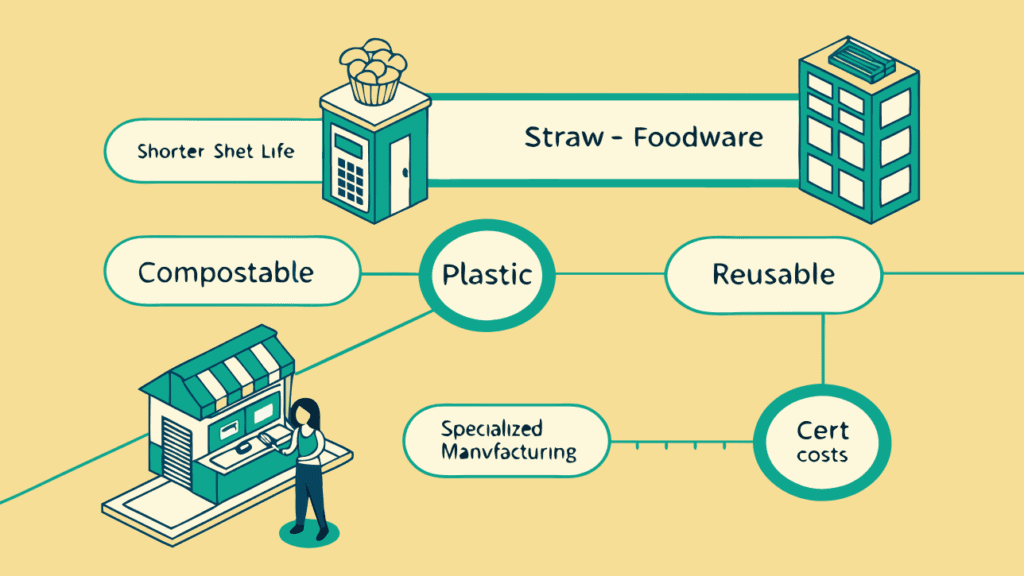
Att förstå nackdelarna med komposterbart material är avgörande för gästfrihet och matservice för att undvika dolda kostnader och miljömässiga fallgropar.
De ekonomiska nackdelarna med komposterbara lösningar för B2B
Även om den miljömässiga avsikten bakom komposterbara material är lovvärd, innebär deras ekonomiska verklighet ofta betydande utmaningar för företag. Dessa utmaningar sträcker sig bortom initial upphandling och påverkar övergripande verksamhetsbudgetar och långsiktig ekonomisk bärkraft.
Högre inköps- och produktionskostnader
Komposterbara produkter är genomgående dyrare än sina traditionella plastmotsvarigheter. Denna kostnadsskillnad beror på flera faktorer:
- Råmaterial Premium: Till skillnad från plaster som härrör från fossila bränslen är komposterbara material ofta beroende av växtbaserade råvaror (t.ex. majsstärkelse, sockerrör), vilket kan ha högre kostnader för odling, skörd och bearbetning. Detta blåser upp baspriset på råvaror, vilket direkt påverkar upphandlingskostnaderna för B2B-köpare.
- Komplex tillverkning: Produktionsprocesserna för bioplaster och komposterbara material är ofta mer resurskrävande och komplicerade. Specialiserade maskiner, strängare processkontroller och lägre produktionsutbyte bidrar till högre enhetskostnader.
- Efterlevnad och certifieringsbördor: Att uppnå certifieringar som EN 13432 för industriell kompostering eller BPI Compostable Certification kräver rigorösa tester och fortlöpande efterlevnadsrevisioner. Dessa tillför ytterligare ekonomiska bördor för tillverkarna, som oundvikligen överförs till företag som köper dessa produkter. Bristen på standardiserad federal reglering i vissa regioner innebär att företag ofta måste navigera i ett lapptäcke av certifieringar, vilket ökar kostnaderna för due diligence.
Begränsad hållbarhet och ökad utbytesfrekvens
En av de inneboende kompromisserna med många komposterbara material är deras designade biologiska nedbrytbarhet, vilket ofta går på bekostnad av hållbarheten.
- Minskad draghållfasthet: Forskning visar att många komposterbara material har lägre draghållfasthet jämfört med konventionell plast. Detta gör dem mer mottagliga för rivning, punktering och för tidig nedbrytning, särskilt i applikationer som kräver robust, långsiktig materialintegritet. För gästfrihetsverksamhet involverar hantering, transport eller långvarig användning, kan detta vara en kritisk begränsning.
- Kortare hållbarhet: Komposterbara produkter är utformade för att bryta ner och har vanligtvis en kortare hållbarhet (t.ex. cirka 9 månader om de förvaras på rätt sätt) och kräver specifika lagringsförhållanden, såsom svala, torra miljöer borta från direkt solljus och fukt. Underlåtenhet att följa dessa krav kan resultera i för tidig nedbrytning innan den ens används, vilket leder till ökad förstörelse och avfall.
- Högre driftskostnader: Den kombinerade effekten av lägre hållbarhet och kortare hållbarhet kräver oftare utbyte av produkter. För företag som är verksamma i stor skala leder detta direkt till högre driftskostnader, vilket förnekar potentiella besparingar från andra hållbarhetsinitiativ och påverkar den totala ägandekostnaden.
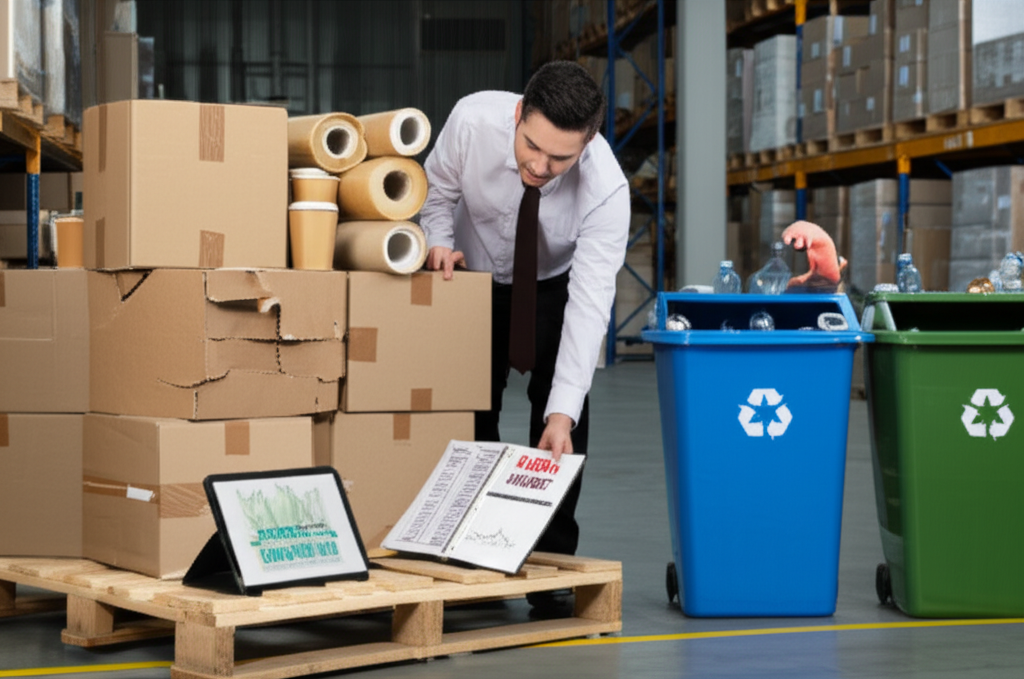
Högre kostnader och minskad hållbarhet för komposterbara material påverkar avsevärt B2B:s verksamhetsbudgetar.
Driftshinder: Navigera i nackdelarna med komposterbar kassering
Den verkliga miljöfördelen med komposterbara material beror helt på deras korrekta hantering av uttjänta material. Men för de flesta företag innebär detta betydande operativa hinder som ofta leder till oavsiktliga konsekvenser.
Få industriell komposteringsinfrastruktur
De allra flesta certifierade komposterbara produkter kräver mycket specifika förhållanden - höga temperaturer, kontrollerade fuktnivåer och närvaron av specialiserade mikroorganismer - som bara finns i industriella komposteringsanläggningar.
- Begränsad tillgänglighet: I USA och många delar av Europa är dessa industriella komposteringsanläggningar inte allmänt tillgängliga. Många amerikanska samhällen saknar tillgång till kommersiell kompostering, och en betydande majoritet av amerikanska kommersiella och kommunala komposterare accepterar inte komposterbara förpackningar eller matvaror. Denna infrastrukturlucka innebär att även genuint certifierade komposterbara produkter ofta hamnar på deponier eller förbränningsanläggningar.
- Logistiska utmaningar: För matserviceföretag, leder denna brist till komplex och ofta kostsam logistik för korrekt avfallshantering. Utan tillgänglig lokal industriell kompostering kan företag möta höga transportkostnader till avlägsna anläggningar eller helt enkelt inte ha någon gångbar väg att avleda dessa material från deponi, vilket förnekar deras "komposterbara" fördel.
Kontamineringsrisker för återvinning och kompostering av strömmar
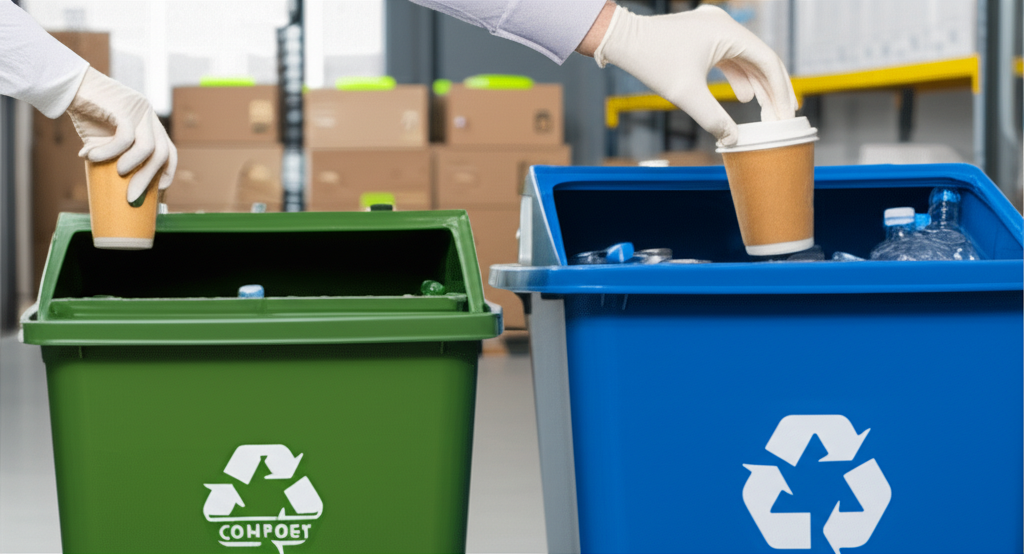
En kritisk verksamhetsutmaning ligger i den visuella likheten mellan komposterbara produkter och traditionell plast och papper, vilket leder till utbredd förvirring mellan konsumenter och drift.
- Återvinningsföroreningar: Komposterbara material förväxlas ofta med återvinningsbart material och placeras felaktigt i traditionella återvinningskärl. Eftersom standardåtervinningssystem inte är utrustade för att behandla dessa material blir de föroreningar, vilket minskar kvaliteten och värdet på återvinningsbara avfallsströmmar och ökar sorteringskostnaderna för avfallshanteringsanläggningar och i slutändan skattebetalarna.
- Förorening av kompostström: Även inom komposteringsströmmar är förorening en betydande fråga. Icke-komposterbara föremål (t.ex. konventionell plast, glas, produktklistermärken eller icke-komposterbara etiketter) kan lätt blandas i komposthögar. Denna korskontaminering kan sänka kvaliteten på den färdiga komposten, vilket gör den mindre värdefull för jordbruks- eller landskapsapplikationer. Oro över okända kemiska tillsatser, som t.ex Pfas, gör också kommersiella kompostörer ovilliga att acceptera vissa bioplaster.
Metanutsläpp i soptippar: ett dold koldioxidavtryck
Den främsta miljövinsten med komposterbara material realiseras först när de är korrekt komposterade. Om komposterbara produkter på grund av begränsningar i infrastrukturen eller felaktig kassering hamnar på deponier kan deras miljöpåverkan vara kontraproduktiv.
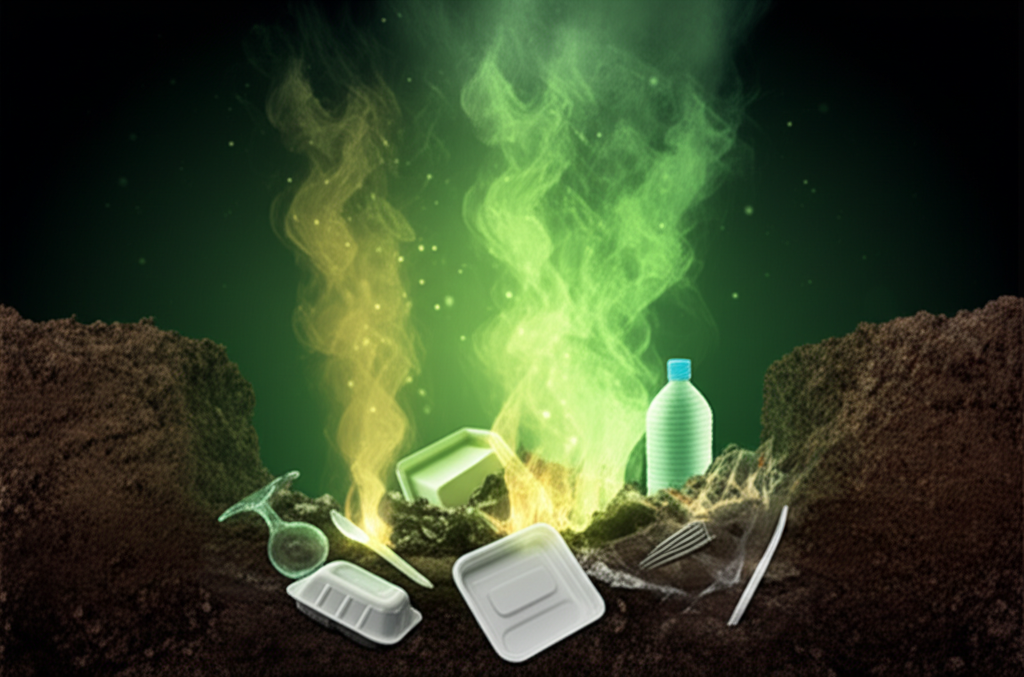
- Anaerob nedbrytning: Deponier är vanligtvis anaeroba miljöer, vilket innebär att de saknar det syre som krävs för att komposterbara material ska kunna bryta ner effektivt till nyttig kompost. Istället sönderdelas de utan syre och producerar metangas.
- Potent växthusgas: Metan (CH4) är en potent växthusgas, mycket mer påverkande än koldioxid över kortare tidsramar. Den är cirka 23 till 30 gånger kraftfullare än koldioxid under en 100-årsperiod. Därför representerar komposterbara material som bidrar till metanutsläpp i deponier ett betydande, ofta dolt, koldioxidavtryck som undergräver deras upplevda miljöfördelar. Det är också viktigt att notera att vissa anaeroba komposteringssystem, om de inte hanteras på rätt sätt, också kan producera jämförbara metannivåer som deponier.
Avfallsutmaningar, föroreningar och metanrisker undergräver komposterbara miljölöfte för B2B.
Miljömässiga och regulatoriska nackdelar med komposterbara material
Utöver operativa och ekonomiska hinder, utgör komposterbara material distinkta miljö- och regulatoriska utmaningar som kräver granskning av B2B-beslutsfattare.
Resurskrävande produktion och koldioxidavtryck
Även om det verkar grönt kan produktionscykeln för många bioplaster vara förvånansvärt resurskrävande.
- Jordbrukskrav: Att odla grödor för bioplast (t.ex. majs, sockerrör, potatisstärkelse) kräver betydande jordbruksmark, vatten och ofta fossila bränslen för jordbruksmaskiner, gödningsmedel och bekämpningsmedel. Detta kan leda till konkurrens med livsmedelsproduktionen, vilket kan sätta press på mark- och vattenresurser. Användning av konstgödsel och bekämpningsmedel kan också leda till övergödning av vattendrag.
- Bearbetning av utsläpp: De industriella processer som krävs för att omvandla växtmaterial till biopolymerer förbrukar också avsevärd energi, vilket bidrar till deras totala koldioxidavtryck. Vissa analyser tyder på att livstidsutsläppen av växthusgaser för vissa komposterbara produkter kan vara jämförbara med eller till och med högre än konventionell plast, särskilt när man tar hänsyn till jordbrukets utsläpp och transporter.
Förekomst av PFAS och andra giftiga tillsatser
En betydande och växande oro för B2B-enheter, särskilt de inommatservering och förpackning, är förekomsten av per- och polyfluoralkylsubstanser (PFAS) i många komposterbara formfiberprodukter.
- "Forever Chemicals": PFAS är kända som "för evigt kemikalier" på grund av deras extrema beständighet i miljön och är kopplade till en rad skadliga hälsoeffekter, inklusive cancer, immunförsvarsstörningar och utvecklingsproblem. De läggs ofta till gjutna fiberprodukter för att ge vatten- och fettbeständighet.
- Kontaminationsrisk: När PFAS-innehållande komposterbara material bearbetas kan dessa kemikalier läcka ut i den färdiga komposten, vilket förorenar mark- och vattensystem. Detta utgör en långsiktig miljö- och folkhälsorisk, vilket komplicerar själva syftet med kompostering. Som ett resultat är många kommersiella komposteringsanläggningar allt mer ovilliga att acceptera bioplaster på grund av oro för PFAS-kontamination.
- Ostuderad toxicitet: Utöver PFAS tillverkas bioplaster med processer som liknar traditionell plast och kan innehålla andra kemiska tillsatser (t.ex. mjukgörare, stabiliseringsmedel, färgämnen) vars långsiktiga miljö- och hälsoeffekter är mindre studerade eller okända jämfört med konventionella plasttillsatser.
Brist på standardiserad reglering och konsumentförvirring
Det regulatoriska landskapet kring "komposterbara" produkter är fortfarande fragmenterat och ofta otillräckligt, vilket leder till betydande marknadsförvirring.
- Federal Standards Void: I många regioner, inklusive USA, finns det en kritisk avsaknad av tydliga federala standarder som definierar eller reglerar "bioplastiska", "biologiskt nedbrytbara" eller "komposterbara" produkter. Detta tomrum tillåter tillverkare att märka produkter utan att uppfylla specifika, universellt accepterade kriterier, vilket leder till greenwashing och vilseledande påståenden.
- Konsumenternas missuppfattningar: Denna brist på tydlig vägledning, i kombination med produkter som ofta designats för att likna återvinningsbart material, skapar stor förvirring bland konsumenterna. Otydliga instruktioner för avfallshantering förvärrar problemet, vilket leder till felaktig kassering i återvinningskärl eller deponier, vilket undergräver produktens avsedda miljöväg. Denna regulatoriska osäkerhet hämmar också effektiv hantering av uttjänta livslängden och urholkar intressenternas förtroende för de äkta hållbarhetskraven för dessa material.
Mikroplastisk formation: En dold nackdel av bioplast
Även om det annonseras som helt nedbrytbart, sönderfaller inte alla bioplaster helt eller benignt i naturliga miljöer.
- Ofullständig nedbrytning: Många komposterbara plaster kräver specifika förhållanden (hög temperatur, luftfuktighet) som bara finns i industriella komposteringsanläggningar för att bryta ner ordentligt. Om dessa villkor inte uppfylls, till exempel i hemkomposthögar eller om de skräpas ner i naturliga miljöer som jord eller vatten, kan de kvarstå under längre perioder, liknande konventionell plast.
- Ansamling i jord: När bioplaster bryts ned, särskilt under suboptimala förhållanden, kan de brytas ner till skadliga mikroplaster snarare än att helt försvinna till organiskt material, vatten och CO2. Dessa mikroplaster kan ackumuleras i marken, vilket påverkar jordbrukets produktivitet och leder till långvarig kontaminering.
- Ekosystempåverkan: Mikroplast kan störa markstrukturen, ändra porositet och vattenhållande förmåga och negativt påverka växternas rotsystem och nyttiga mikrobiella samhällen som är viktiga för markens hälsa och fertilitet. De kan också negativt påverka markorganismer som daggmaskar.
Komposterbara produkter står inför miljöproblem som resurskrävande produktion, PFAS och bildning av mikroplast.
Jämförelse: komposterbar kontra andra materialalternativ
För B2B-beslutsfattare kräver utvärdering av materialval en omfattande förståelse för deras respektive effekter. Följande tabell ger en jämförelse av komposterbara produkter med andra vanliga materialalternativ:
| Särdrag | B2B operationell påverkan | Efterlevnadsanteckning | ROI -potential |
|---|---|---|---|
| Komposterbara produkter | Högre inköp, kortare hållbarhet, begränsad hållbarhet, komplex hanteringslogistik på grund av knapp infrastruktur. | Kräver specifik industriell komposteringscertifiering (t.ex. EN 13432). Hög risk för regulatorisk förvirring utan tydliga federala standarder. Potentiellt PFAS-innehåll är ett växande problem med efterlevnaden. | Lägre direkt ROI på grund av högre kostnader, begränsat värde vid uttjänt livslängd (återanvänds inte i nya produkter). Ryktevinster för hållbarhet, men ofta ouppfyllda om korrekt avfallshantering inte uppnås. |
| Traditionell plast | Lägre initialkostnad, hög hållbarhet, etablerade leveranskedjor, lång hållbarhet. Betydande flexibilitet i leveranskedjan. | Med förbehåll för ökande plastförbud/skatter, system för utökat producentansvar (EPR) i många regioner (t.ex. EU). Ökat allmänhetens tryck för återvinning/minskning. | Högre kortsiktig kostnadseffektivitet. Långsiktiga risker från reglering, potentiella varumärkesskador på grund av miljöuppfattning och beroende av en linjär avfallsmodell. |
| Återvinningsbart material | Kräver robust sorteringsinfrastruktur, rena strömmar, materialspecifik hantering. Kan minska jungfruligt materialberoende. | Efterlevnad av lokala återvinningsriktlinjer, som varierar kraftigt. Potential för incitament för efterlevnad av EPR. Måste navigera globala marknadsfluktuationer för återvunnet innehåll. | Variabel ROI, beroende på marknadsvärdet av återvinningsbart material och effektiviteten av insamling/bearbetning. Stöder modeller för cirkulär ekonomi, vilket kan minska kostnaderna för jungfrumaterial och visa miljöansvar. |
| Återanvändbara system | Hög initial investering för infrastruktur (t.ex. tvätt, sterilisering, returlogistik). Kräver robust insamling, sanering och spårning. | Överensstämmelse med stränga hygien-/säkerhetsstandarder (t.ex. matservering). Utveckla regelverk för återanvändningsmål och system för avkastning av insättningar. | Betydande långsiktig ROI genom minskad avfallsgenerering, lägre kostnad per användning över tid, förbättrad varumärkesuppfattning och stark anpassning till principerna för cirkulär ekonomi. Potential för nya intäktsströmmar. |
Att jämföra material avslöjar compostables unika drifts-, efterlevnads- och ROI-utmaningar för B2B.
Minifallstudie: Den kommunala komposteringsflaskhalsen: En komposterbar förpackningsutmaning
Senaste rapporter, särskilt från organisationer somBortom plast, belyser en växande ovilja bland kommersiella och kommunala komposteringsanläggningar att acceptera "komposterbara" matvaror och förpackningar. Denna operativa verklighet avslöjar ett kritiskt fel i den utbredda användningen av komposterbara material för B2B-användning.
En viktig orsak till denna motvilja är det ihållande problemet medförorening. Komposterbara produkter, ofta visuellt omöjliga att skilja från konventionella plaster, är ofta felsorterade av konsumenter eller anställda, vilket leder till att icke-komposterbara föremål kommer in i komposteringsflödet. Dessutom har oro över hemliga kemiska tillsatser, såsom PFAS, gjort komposterare försiktiga, eftersom dessa "för evigt kemikalier" kan finnas kvar i den färdiga komposten, vilket gör den oanvändbar eller oönskad för jordbrukstillämpningar. Volymen komposterbara föremål som produceras avgästfrihetsinstitutioneröverstiger också ofta volymen näringsrikt matavfall som komposter prioriterar, vilket ytterligare minskar deras värdeförslag för dessa anläggningar.
För många B2B-företag innebär detta att även om de skaffar certifierade komposterbara produkter med de bästa avsikterna, tvingar bristen på livskraftig lokal bearbetningsinfrastruktur ofta dessa material till deponier. Detta undergräver de eftersträvade miljöfördelarna, vilket leder till bortkastade investeringar i material som inte kan avledas ordentligt och som till och med kan ge skadliga metanutsläpp i deponier. Det riskerar också anklagelser om ”greenwashing” om löftet om livets slut inte kan uppfyllas. Företag måste utvärdera inte bara om en produkt är certifierad komposterbar, utan om deras lokala ekosystem för avfallshantering faktiskt kan behandla den som sådan.
Att kompostera flaskhalsar och föroreningsrisker gör att många komposterbara material fortfarande hamnar på deponier.
Future Trends & Innovation in Sustainable Materials
Om man ser framåt 5–10 år kommer utmaningarna förknippade med komposterbara material att driva på betydande innovationer och förändringar i regelverket. För inköps- och verksamhetsledare är det nyckeln till att förutse dessa trender för att utveckla motståndskraftiga, verkligt hållbara försörjningskedjor.
- Strängare certifierings- och märkningsstandarder: Förvänta dig en global strävan efter mer harmoniserade och rigorösa federala standarder för "komposterbara" och "biologiskt nedbrytbara" etiketter. Den nuvarande förvirringen kommer sannolikt att kräva tydligare, juridiskt bindande definitioner som specificerar nedbrytningsförhållanden (t.ex. industriell kontra hemkompost), tidslinjer och verifierad frånvaro av skadliga kemikalier. Detta kommer att minska greenwashing och förbättra konsumenternas och företagens förtroende. Organisationer som BPI komposterbar certifiering arbetar redan för större tydlighet.
- Avancerad komposteringsinfrastruktur: Den nuvarande flaskhalsen i industriella komposteringsanläggningar kommer sannolikt att stimulera investeringar i uppskalning av infrastruktur, särskilt i stads- och kommersiella centra. Innovationer inom anaerob rötning och decentraliserad komposteringsteknik kan bli mer utbredd, i syfte att behandla organiskt avfall mer effektivt och fånga upp biogas.
- PFAS-fria mandat och materialvetenskap: Regulatoriskt tryck på PFAS kommer att intensifieras, med fler jurisdiktioner som implementerar förbud mot deras användning i livsmedelsförpackningar. Detta kommer att påskynda forskning och utveckling av verkligt säkra, giftfria barriärbeläggningar och alternativa material som ger nödvändig funktionalitet utan farliga kemikalier. Detta är i linje med en bredare förskjutning mot transparens när det gäller kemiska tillsatser.
- Betoning på cirkularitet framför nedbrytbarhet: Fokus kommer i allt högre grad att skifta från "nedbrytning i slutet av livet" till "resurscirkularitet." Detta innebär en större tonvikt på material som verkligen kan återvinnas, återanvändas eller återanvändas, snarare än att bara bryta ner till CO2 och vatten. Investeringar kommer att flöda in i avancerad återvinningsteknik för både traditionell plast och biobaserad plast. Företag kommer att prioritera material som verkligen kan komma in i värdekedjan igen, vilket minimerar avfall och resursutarmning.
- Uppkomsten av riktigt ätbara och vattenlösliga lösningar: Innovationer i livsmedelsklassade, ätbara material (som vissa ätbara komposterbara sugrör) och helt vattenlösliga filmer eller beläggningar kommer att få dragkraft som en "no-waste" lösning, och helt kringgå komposteringsinfrastrukturens begränsningar. Dessa lösningar erbjuder tydliga vägar vid slutet av livet, antingen konsumerade eller säkert lösta, vilket eliminerar komplexiteter med bortskaffande.
- Biobaserade, icke-komposterbara alternativ: En skillnad kommer att växa mellan komposterbar bioplast och hållbar biobaserad plast designad för långvarig användning och återvinning. Material som härrör från förnybara resurser men konstruerade för prestanda och återvinningsbarhet kommer att få framträdande plats som ett mer "cirkulärt" alternativ till engångskomposterbara material.
- Datadriven avfallshantering: Företag kommer i allt högre grad att utnyttja IoT och AI för att optimera avfallssegregering, insamling och bearbetning. Smarta papperskorgar, analys av avfallsströmmar i realtid och prediktiv analys kommer att bidra till att förbättra avledningshastigheten och minska kontamineringen, vilket gör befintlig komposterings- och återvinningsinfrastruktur mer effektiv.
Framtida trender betonar strängare standarder, cirkuläritet och innovativa, verkligt hållbara materiallösningar.
Competitive Advantage & Business Case
För framåttänkande B2B-ledare kan förståelse och proaktivt ta itu med nackdelarna med komposterbara material vara en kraftfull källa till konkurrensfördelar. Det här handlar inte bara om efterlevnad; det handlar om strategisk positionering och långsiktigt värdeskapande.
- Quantifiable Cost Savings & Risk Mitigation: Genom att inse de dolda kostnaderna för komposterbara material (högre anskaffning, ökad ersättningsgrad, komplex avfallslogistik) kan företag växla till lösningar som erbjuder genuin ekonomisk effektivitet. Det kan handla om att investera i hållbara återanvändbara system med hög avkastning på investeringen, eller att köpa certifierat material med en beprövad, tillgänglig uttjänt väg. Genom att undvika material som ofta hamnar på soptippar trots deras "komposterbara" märkning minskar den ekonomiska risken för bortkastade upphandlingsutgifter och potentiella regulatoriska påföljder för felhanterat avfall. Att ersätta engångskomposterbara material med robusta, certifierade komposterbara halmmaterial som är i linje med lokal infrastruktur, eller till och med ätbara alternativ, kan till exempel leda till betydande kostnadseffektivitet.
- Förbättrat varumärkesvärde och äkthet: Konsumenter och tillsynsmyndigheter blir alltmer kräsna och ser bortom "gröna" påståenden på ytan. Företag som på ett transparent sätt tar itu med komplexiteten i materialhantering och investerar i verkligt cirkulära eller genuint hållbara lösningar – snarare än bara "komposterbara" produkter som hamnar på soptippar – bygger starkare, mer autentisk varumärkesförtroende. Detta proaktiva tillvägagångssätt odlar förtroende, attraherar miljömedvetna kunder och talanger och skyddar mot "gröntvättande" anklagelser. Ett varumärke känt för genuint effektfull hållbarhet kan få en marknadsandelspremie och åtnjuta större kundlojalitet.
- Framtidssäkrande efterlevnad: Regelverket för plast och förpackningar utvecklas snabbt, särskilt i EU med system för utökat producentansvar (EPR) och ökande förbud mot vissa engångsplaster. Genom att grundligt förstå materials verkliga miljövägar kan företag välja alternativ som är mindre sannolikt att bli föråldrade på grund av framtida bestämmelser (t.ex. mandat för PFAS-fria produkter eller krav på verifierbara uttjänta lösningar). Denna proaktiva efterlevnad minskar framtida juridiska risker och driftstörningar. Att fokusera på certifierade komposterbara material som följer standarder som EN 13432 och förstå nyanserna av BPI Compostable Certification kan vara en avgörande del av denna strategi.
- Operationell effektivitet och innovation: Att utmana antagandet att komposterbart alltid är bättre tvingar en djupare dykning i operativ avfallshantering. Detta kan leda till processinnovationer, såsom förbättrad intern sortering, partnerskap med specialiserade avfallshanteringsföretag eller till och med utveckling av slutna system. Att effektivisera avfallshanteringen och minska kontamineringen sparar inte bara kostnader utan visar också på driftsäkerhet, vilket skiljer ett företag från konkurrenter.
Att proaktivt ta itu med komposterbara nackdelar ger B2B-ledare konkurrensfördelar genom kostnadsbesparingar, varumärkesvärde och efterlevnad.
Slutsats: Beyond the Green Veil: Strategiska överväganden för B2B-ledare
Medan komposterbara material erbjuder en övertygande hållbarhetsberättelse, är deras nuvarande operativa, ekonomiska och miljömässiga nackdelar betydande för B2B-upphandling och drift. Att förstå den djupa påverkan av knapp infrastruktur, regelverk, risken för kontaminering och verklig livsduglighet i slutet av livet är avgörande. Företag måste se bortom det ursprungliga "gröna löftet" och genomföra en noggrann due diligence under hela livscykeln för ett material, från inköp till bortskaffande. Ett holistiskt tillvägagångssätt som tar hänsyn till hela försörjningskedjans påverkan är avgörande för att uppnå genuint effektfulla hållbarhetsmål, för att säkerställa att investeringar i "miljövänliga" lösningar ger verkliga fördelar, inte bara marknadsföringspåståenden.
Sann hållbarhet kräver att B2B-ledare kritiskt bedömer komposterbara produkters hela livscykeleffekt.
Optimera din strategi för hållbara inköp.
Utvärdera dina nuvarande metoder för förpackning och avfallshantering mot ett omfattande hållbarhetsramverk för att identifiera livskraftiga, verkligt effektfulla alternativ och undvika oavsiktliga konsekvenser.Begär en konsultation idag för att omvandla din leveranskedja till en konkurrensfördel.
Vanliga frågor
Varför är komposterbara produkter ofta dyrare för B2B-köpare?
Komposterbara produkter ådrar sig högre kostnader på grund av förstklassiga råvaror, komplexa tillverkningsprocesser och den ekonomiska bördan av efterlevnad och certifiering, allt överförs till köparna.
Vilka är de största operativa utmaningarna med att använda komposterbara material inom hotellbranschen?
Operativa utmaningar inkluderar en knapp industriell komposteringsinfrastruktur, höga föroreningsrisker för återvinningsströmmar och potentialen för metanutsläpp om komposterbara material hamnar på deponier.
Går komposterbara material verkligen ner utan att skada miljön?
Komposterbara material kräver specifika industriella förhållanden för att bryta ner på ett benignt sätt; annars kan de bestå, bilda mikroplaster eller producera metan på soptippar.
Hur kan inköpschefer undvika "greenwashing" med komposterbara produkter?
Inköpschefer bör verifiera certifieringar, bedöma lokal komposteringsinfrastruktur och prioritera material med tydliga, verifierbara uttjänta vägar för att undvika greenwashing.
Vilka är alternativen till komposterbara material för hållbar B2B-verksamhet?
Alternativen inkluderar genuint återvinningsbara material, robusta återanvändbara system och innovativa ätbara eller vattenlösliga lösningar, med fokus på verklig cirkuläritet och minskat avfall.