Decoding McDonald’s Straw Strategy: A B2B Guide to Biodegradable Packaging in Hospitality & Foodservice

A B2B Guide for Procurement, Operations, and Sustainability Leaders in Hospitality & Foodservice
Det globala kravet att stävja plastföroreningar har blivit en avgörande utmaning för företag inom alla sektorer. För B2B-beslutsfattare inom inköp, drift och supply chain management inomhospitality & foodservice industries, detta är inte bara ett miljöideal; det representerar en stor operativ och kommersiell utmaning. Regulatoriskt tryck, förändrade konsumentförväntningar och de påtagliga kostnaderna för att missköta avfallsströmmar omformar strategierna för försörjningskedjan. Ledande varumärken, under intensiv granskning, befinner sig i framkant av denna övergång och navigerar ofta på okända vatten. McDonald's, en global snabbservicekonst, erbjuder en övertygande, om än komplex, fallstudie i denna hållbarhetsresa.
I september 2018 inledde McDonald's Storbritannien och Irland ett betydande driftsskifte och inledde utbytet av sina cirka 1,8 miljoner dagliga plaststrån med pappersalternativ. Detta beslut fattades inte isolerat; det var ett direkt svar på ett växande offentligt tryck, särskilt en offentlig namninsamling som samlade nästan en halv miljon underskrifter (Change.org, 2018), tillsammans med den brittiska regeringens förestående planer för omfattande plastförbud (DEFRA, 2018). Denna strategiska pivot utgjorde en hörnsten i McDonalds övergripande "Scale for Good"-initiativ, ett djärvt åtagande som syftar till 100 % hållbara förpackningar över hela dess globala verksamhet till 2025 (McDonald's Corporate, 2018). Ambitionen var tydlig: att sätta ett nytt branschriktmärke för miljövård.
Gästfrihets- och foodservicesektorerna står inför ett enormt tryck att anta hållbara metoder, vilket gör McDonalds resa till en avgörande läroupplevelse.
The Global Push for Sustainable Straws: McDonald's Initial Shift
Varumärken världen över utsätts för ett eskalerande tryck för att minska sitt miljöavtryck, särskilt när det gäller engångsplaster. Plasthalmen, en allestädes närvarande symbol för bekvämlighet, blev en blixtledare för miljöaktivism på grund av dess genomträngande närvaro i soptippar och hav. För stora företag igästfrihet och matservering, medför passivitet betydande kommersiella risker och anseende. Bortom Storbritannien övergick till exempel McDonald's Canada till pappersstrån i slutet av 2021, ett strategiskt drag som beräknas eliminera cirka 300 ton plast årligen från deras system. Dessa initiativ återspeglar en bredare industrirörelse mot mer miljövänliga förpackningslösningar.
Embracing Paper: Environmental Intent vs. Operational Reality
Den första övergången till pappersstrån bottnade i ett tydligt miljömandat: att avsevärt minska plastavfallet och skydda vilda djur från föroreningar. McDonald's köpte stolt sina pappersstrån från FSC-certifierade leverantörer som Transcend Packaging och Huhtamaki, och betonade ett engagemang för ansvarsfullt skogsbruk. Tidiga kundförsök i Storbritannien fick enligt uppgift positiva reaktioner, där konsumenter uppskattade den synliga ansträngningen för miljöansvar. Denna inledande fas underströk styrkan av varumärkesåtgärder när det gäller att anpassa sig till allmänhetens åsikter. Ändå, som många B2B-ledare förstår, ligger det verkliga testet av alla operativa förändringar bortom den ursprungliga avsikten, i den komplexa verkligheten av utförande och långsiktig lönsamhet.

Inledande hållbara förpackningsinsatser, även om de är välmenande, möter ofta oförutsedda operativa utmaningar i verkliga gästfrihetsmiljöer.
De oväntade törnarna i hållbara förpackningar: McDonald's Biodegradable Straw Challenge
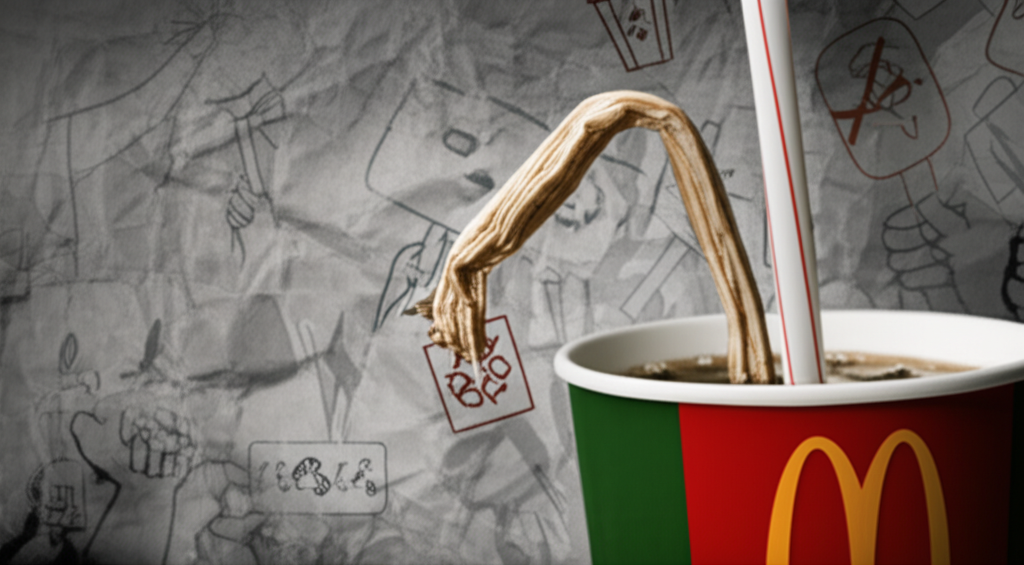
Berättelsen kring McDonalds pappersstrån tog en oförutsedd vändning i augusti 2019. Trots den inledande fanfaren erkände McDonald's att deras mycket omtalade pappersstrån i Storbritannien och Irland faktiskt inte var lätta att återvinna. Själva designändringen avsedd att förbättra deras funktionalitet – ökad tjocklek för att förhindra sönderfall i drycker – gjorde dem för robusta för att befintliga leverantörer av avfallslösningar skulle kunna bearbeta dem effektivt. Detta innebar att, ironiskt nog, dessa "miljövänliga" alternativ ofta omdirigerades till allmänna avfallsströmmar, som ofta hamnade i förbränningsanläggningar, snarare än att återvinnas. Detta stod i skarp kontrast till de plaststrån de ersatte, som McDonald's tidigare hade sagt var "100 procent återvinningsbara." Denna uppenbarelse blottade en kritisk utmaning för inköps- och driftsteamgästfrihet och matservering: det ofta komplexa samspelet mellan materialvetenskap, befintlig avfallsinfrastruktur och ambitiösa hållbarhetskrav.
Customer Experience & Brand Reputation: Beyond the Initial Switch
Bortom gåtan med återvinningsbarhet dök pappersstrånas operativa verklighet snabbt upp i form av omfattande kundklagomål. Konsumenter rapporterade problem som sträckte sig från att sugrören sönderdelade mitt i drycken till att ge en oönskad smak, särskilt med tjockare drycker som milkshakes. Frustrationen var påtaglig och kulminerade i en brittisk petition om att återställa plaststrån, som samlade över 51 000 underskrifter. Denna offentliga motreaktion underströk en viktig läxa för B2B-beslutsfattare: hållbarhetsinitiativ, hur välmenande de än är, får inte äventyra kärnproduktens funktionalitet eller kundupplevelse. Den upplevda avvägningen mellan miljönytta och praktisk användbarhet utgjorde ett betydande hot mot varumärkets rykte och kundlojalitet. För företag som utvärderar liknande förändringar ihotell, kaféer eller flygbolag, belyser McDonalds erfarenhet det kritiska behovet av omfattande funktionstestning och realistisk hantering av kundförväntningar, inte bara miljökonsekvensbedömningar.
Att kompromissa med kundupplevelsen för hållbarhet kan allvarligt skada varumärkets rykte på konkurrensutsatta hotellmarknader.
Navigera i komplexiteten: Lärdomar från McDonald's Straw Journey för B2B-upphandling
McDonald's erkände att utmaningen med att återvinna sina pappersstrån var en "vidare branschfråga", främst hänförlig till den eftersläpande utvecklingen av nödvändig återvinningsinfrastruktur. Detta understryker ett avgörande imperativ för B2B-upphandlings- och leveranskedjechefer igästfrihet och matservering: sann hållbarhet sträcker sig långt bortom inköpsstället. Det kräver ett helhetsperspektiv på produktens livscykler, från råvaruanskaffning till slutligt bortskaffande. Företag måste granska hela värdekedjan, inklusive de ofta förbisedda "slut-of-life"-lösningarna för "miljövänliga" alternativ, för att undvika att oavsiktligt skapa nya avfallshanteringsproblem.
Operativa effekter av hållbara materialövergångar (Supply Chain Sustainability)
För inköpsteam belyser McDonalds-fallet flera kritiska operativa utmaningar som är inneboende i hållbara materialövergångar. För det första är det en komplex uppgift att verifiera den verkliga återvinningsbarheten och kasseringsvägarna för nya material, som kräver ett djupt samarbete med leverantörer av avfallshantering från de tidigaste stadierna av materialdesign och inköp. Utan denna framsynthet kan upphandling oavsiktligt förbinda sig till lösningar som, även om de skenbart är gröna, är operativt ohållbara. För det andra är det avgörande att se till att nya förpackningar uppfyller eller överträffar konsumenternas förväntningar för att upprätthålla varumärkeslojalitet och undvika kostsamma kundserviceproblem. Upplösningen av pappersstrån fungerade som en skarp påminnelse om att funktionalitet inte kan offras vid hållbarhetens altare utan kommersiella återverkningar. Slutligen måste företag utveckla robusta hållbarhetsbedömningar av försörjningskedjan, som går bortom enbart materialcertifieringar för att utvärdera hela det ekologiska och operativa fotavtrycket för nya lösningar. Förstå krångligheterna med efterlevnad, som att följaöverensstämmelse med import av biologiskt nedbrytbart halm, är avgörande för sömlöst marknadsinträde och verksamhet i olika regulatoriska miljöer.
Holistisk bedömning av leveranskedjan är avgörande för att säkerställa att hållbara material verkligen ger miljö- och driftsfördelar.
Strategiska imperativ: vad McDonald's Biodegradable Straw Experience lär företag
McDonalds stråresa erbjuder ovärderliga strategiska lektioner för B2B-beslutsfattare som brottas med sina egna hållbarhetsövergångar. Det belyser behovet av ett mångfacetterat tillvägagångssätt som balanserar miljöambitioner med praktiska realiteter och ekonomisk bärkraft.
Utvecklande hållbara förpackningslösningar (initiativ för cirkulär ekonomi)
McDonald's är inte statisk i sina hållbarhetsarbete. Företaget utforskar kontinuerligt nya material och tillvägagångssätt för att möta det föränderliga landskapet för förpackningars hållbarhet. Ett betydelsefullt exempel är deras pågående utforskning av nya material, såsom komposterbara strån av cellulosaacetat, som har prövats i vissa regioner. Detta belyser en tydlig väg framåt för inköpsteamgästfrihet och matservering: kontinuerlig materialinnovation är avgörande. Det strategiska fokuset på en cirkulär ekonomi bevisas ytterligare av McDonalds globala förpackningsmål, som inriktade sig på 100 % av primära gästförpackningar från förnybara, återvunna eller certifierade källor till 2025. I slutet av 2023 rapporterade företaget betydande framsteg och uppnådde cirka 86,7 % av detta ambitiösa mål. Dessutom har McDonald's insett plastleksakernas betydande miljöpåverkan, och har offensivt arbetat för att minska jungfrulig fossilbränslebaserad plast i Happy Meal-leksaker med imponerande 63,7 % sedan 2018, med ett mål att nå 90 % minskning i slutet av 2025. Detta mångsidiga tillvägagångssätt visar snarare ett engagemang för systemförändringar än ett engagemang för systemförändringar.
Beyond the Straw: McDonald's Broader Sustainability Commitments
Även om halmsagan är mycket synlig, är den bara en aspekt av McDonalds bredare hållbarhetsagenda. "Better M"-programmet, som lanserades i november 2019, exemplifierar deras engagemang för att minimera plastanvändning och förbättra återvinningsbarheten i hela Europa. En anmärkningsvärd framgång för detta initiativ var borttagandet av plastlock från McFlurrys, vilket ledde till en årlig besparing på 1 200 ton plast. Utöver materialval är utveckling av infrastruktur nyckeln. År 2023 erbjöd över 88,3 % av McDonalds restauranger som är verksamma i regioner med avancerad infrastruktur för avfallshantering återvinning eller kompostering av sina förpackningar. Företagets aktiva deltagande i branschövergripande samarbeten såsom ReSource: Plastic och Bioplastic Feedstock Alliance understryker ytterligare dess insikt om att systemutmaningar kräver kollektiva industrilösningar.
Vägen framåt för hållbara leveranskedjor
Resan mot verkligt hållbara leveranskedjor pågår och kräver en proaktiv, anpassningsbar strategi. Kontinuerlig innovation inom hållbara material och teknologier för avfallsbearbetning är av största vikt. McDonalds-fallet illustrerar tydligt att utan motsvarande framsteg inom återvinnings- och komposteringsinfrastruktur kan även de mest välmenande materialväxlarna inte nå sina miljömål. Detta kräver branschövergripande samarbete för att ta itu med gemensamma infrastrukturutmaningar och lobba för policyförändringar som stöder en cirkulär ekonomi. Att integrera hållbarhet inte bara som ett efterlevnadskrav utan som en kärnverksamhetsstrategi ger en djupgående långsiktig konkurrensfördel. Företag som leder inom detta område kommer inte bara att minska riskerna utan också låsa upp nya marknadsmöjligheter och förbättra varumärkets eget kapital. Det strategiska urvalet avmarina biologiskt nedbrytbara sugrör för gästfrihet och matserveringär ett sådant område där företag kan visa ledarskap, särskilt i kustområden eller miljökänsliga regioner.
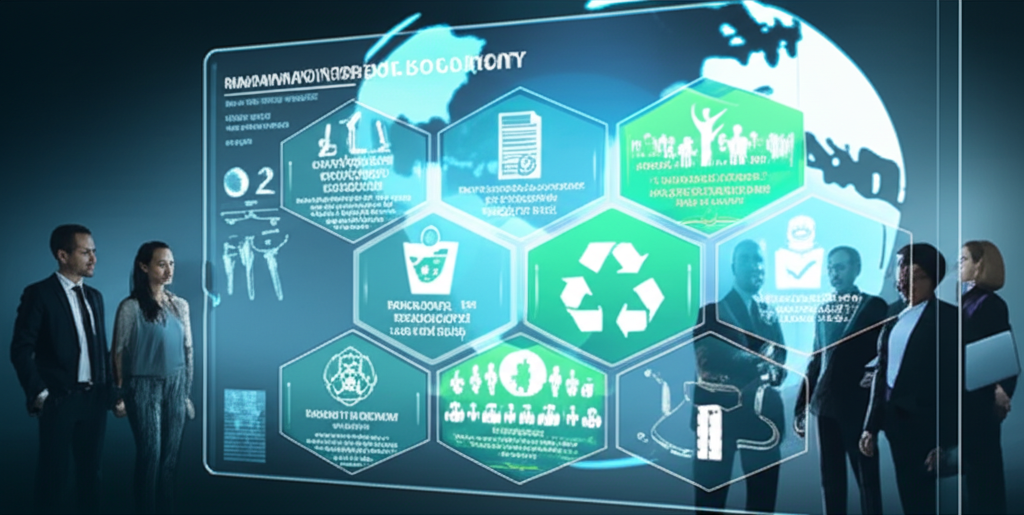
Att anta en cirkulär ekonomi är avgörande för långsiktig hållbarhet och konkurrensfördelar i försörjningskedjor för gästfrihet.
Competitive Advantage & Business Case
För inköpschefer, verksamhetschefer och hållbarhetsansvariga inomgästfrihet och matservering, ger McDonalds erfarenhet en tydlig plan för att bygga ett övertygande affärscase för hållbara förpackningar. De kvantifierbara fördelarna sträcker sig långt bortom altruism:
- Riskbedömning: Ett proaktivt antagande av hållbara förpackningar minskar avsevärt regulatoriska risker, såsom förestående plastförbud och EPR-bestämmelser (Extended Producer Responsibility), som blir allt strängare i EU och Nordamerika. Underlåtenhet att följa kan resultera i betydande böter och driftstörningar. Dessutom skyddar den mot allvarliga skador på varumärkets rykte och potentiella konsumentbojkotter som kan urholka marknadsandelar, vilket framgår av den negativa motreaktionen kring de icke-återvinningsbara papperssugrören.
- Kostnadsbesparingar: Även om initiala investeringar i nya material eller infrastruktur kan krävas, kan verkligt cirkulära lösningar leda till långsiktiga kostnadsbesparingar genom minskade avfallshanteringsavgifter, optimerad logistik och potentiella intäktsströmmar från återvunnet material. Investeringen i robust försörjningskedjans transparens, inklusive djupgående leverantörskontroll och livscykelanalys, fungerar också som en avgörande komponent för långsiktig riskhantering och kostnadsoptimering.
- Brand Value Uplift & Market Share Opportunity: Företag som visar ett genuint engagemang för miljövård ger en kraftfull resonans hos allt mer miljömedvetna konsumenter och B2B-kunder. Forskning visar konsekvent att konsumenter är villiga att betala en premie för hållbara produkter, och företag prioriterar ESG-prestanda (Environmental, Social, and Governance) i sina partnerskap. En transparent, verifierbar hållbar förpackningsstrategi differentierar ett varumärke, ökar dess upplevda värde och kan ta marknadsandelar från mindre framåtsträvande konkurrenter. Utöver konsumenternas uppfattning möter förbättrad ESG-rapportering och due diligence investerarnas krav, vilket potentiellt kan attrahera mer kapital.
- Operativ motståndskraft: Diversifiering av materialförsörjning och investeringar i avancerade avfallshanteringslösningar bygger en mer motståndskraftig leveranskedja, mindre mottaglig för materialbrist, prisvolatilitet i fossilbränslebaserad plast eller plötsliga regelförändringar. Denna operativa smidighet är en betydande konkurrensskillnad på en volatil global marknad.
McDonald's-resan tjänar som en kraftfull påminnelse om att det verkliga värdet av "biologiskt nedbrytbara" eller "hållbara" förpackningar ligger i dess praktiska uttjänta väg och dess acceptans av konsumenterna. Företag som prioriterar ett holistiskt förhållningssätt till hållbara förpackningar kommer inte bara att möta kraven från tillsynsmyndigheter och konsumenter utan också få en betydande konkurrensfördel på en snabbt växande marknad. För dem som vill fördjupa sin förståelse för materialprestanda, konsultera en omfattandekomposterbara vs biologiskt nedbrytbara sugrör B2B guidekan ge ovärderliga insikter i valet av den optimala lösningen för deras specifika operativa sammanhang.
Hållbara förpackningar erbjuder betydande konkurrensfördelar, inklusive riskreducering, kostnadsbesparingar och ökat varumärkesvärde.
Slutsats
McDonalds mycket synliga övergång till "biologiskt nedbrytbara" pappersstrån erbjuder en kraftfull fallstudie i flera lager för B2B-beslutsfattare igästfrihet och matservering. Även om de drivs av beundransvärda miljömål och betydande tryck från allmänheten, uppvisade de operativa verkligheterna med återvinningsbarhet och kundnöjdhet betydande hinder. Denna erfarenhet understryker otvetydigt att sann hållbarhet sträcker sig bortom ett enkelt materialval, kräver en helhetssyn på produktens livscykel, robust avfallshanteringsinfrastruktur och orubbligt fokus på operativ integritet. Lärdomarna från detta globala varumärkes resa är avgörande för alla organisationer som är engagerade i att navigera i den komplexa terrängen av hållbara förpackningar.
Sann hållbarhet kräver ett holistiskt tillvägagångssätt, som integrerar materialval med infrastruktur och operativa realiteter.
Är du redo att optimera din strategi för hållbara förpackningar?
Utvärderadina nuvarande förpackningsstrategier ochsamarbetamed experter i leveranskedjan för att implementera verkligt cirkulära och motståndskraftiga lösningar som uppfyller både miljömandat och förändrade konsumentförväntningar.Begär en strategisk konsultation idag
Framtidssäkra din förpackningsverksamhet mot regulatoriska förändringar och säkra din marknadsposition.
Vanliga frågor (FAQ)
Är McDonalds sugrör verkligen biologiskt nedbrytbara?
Varför bytte McDonald's från plast- till papperssugrör?
Vilka utmaningar mötte McDonald's med sugrör av papper i hotellmiljöer?
Hur kan besöksnäringsföretag undvika liknande fallgropar för halm hållbarhet?