Şeker Kamışı Pipetleri Glutensiz midir?
Güvenli, Çevre Dostu B2B Seçimi
Yemek hizmeti operasyonunuz için sürdürülebilir çözümlerin giderek daha karmaşık hale gelen ortamında gezinen bir B2B alıcısı mısınız? Çevresel sorumluluk konusunda tüketici beklentilerinin tüm zamanların en yüksek seviyesinde olduğu ve düzenleyici kurumların sıkı incelemeleriyle birleştiği bir çağda, pipet gibi görünüşte küçük ürünler için bile yaptığınız seçimler markanızın itibarını, operasyonel maliyetlerini ve uyumluluk durumunu önemli ölçüde etkileyebilir. Gerçekten kapsayıcı ve çevre dostu alternatifler ararken sıklıkla ortak ama önemli bir soru ortaya çıkıyor: Şeker kamışı çubukları gerçekten glutensiz mi?
Doğrudan cevap kesin bir evettir. Şeker kamışı pipetleri doğası gereği glütensizdir, bu da onları çeşitli beslenme ihtiyaçlarını karşılamak ve aynı zamanda çevresel hedeflerinizi geliştirmek için mükemmel ve güvenilir bir seçim haline getirir. Bu temel özellik, kapsayıcılık ve gerçek sürdürülebilirliğe kendini adamış işletmelere anında değer sağlar. Bazı "çevre dostu" ürünlerde "sonsuza kadar kimyasalların" (PFAS) varlığının büyüyen bir endişe olduğu, yeşil yıkamanın yaygın olduğu bir ortamda, sürdürülebilir ürünlerinizin gerçek doğasını ve uyumluluğunu anlamak sadece iyi bir uygulama değil, aynı zamanda tüketici güvenini korumak ve mevzuata uygunluğu sağlamak için de çok önemlidir.
Unpacking the Gluten-Free & Eco-Friendly Credentials of Sugarcane Straws
Yüzeyin ötesine geçerek, hem beslenme gereksinimlerini hem de gerçek çevresel sorumluluğun karmaşık taleplerini ele alarak, şeker kamışı pipetlerini dikkat çekici bir seçim haline getiren şeyin ne olduğuna bakalım.
A. Glutensiz Garanti: Şeker Kamışı Neden Güvenlidir
Şeker kamışı çubuklarının glütensiz durumu doğrudan bitkinin kendisinden kaynaklanmaktadır. Şeker kamışı, buğday, arpa ve çavdar gibi glüten içeren tahıllardan temel olarak farklı olan Poaceae adlı ot ailesinin bir üyesidir. Doğal protein bileşimi tamamen glüten içermez, bu da onu çölyak hastalığı veya çölyak dışı glüten duyarlılığı olanlar için güvenli bir temel malzeme haline getirir.
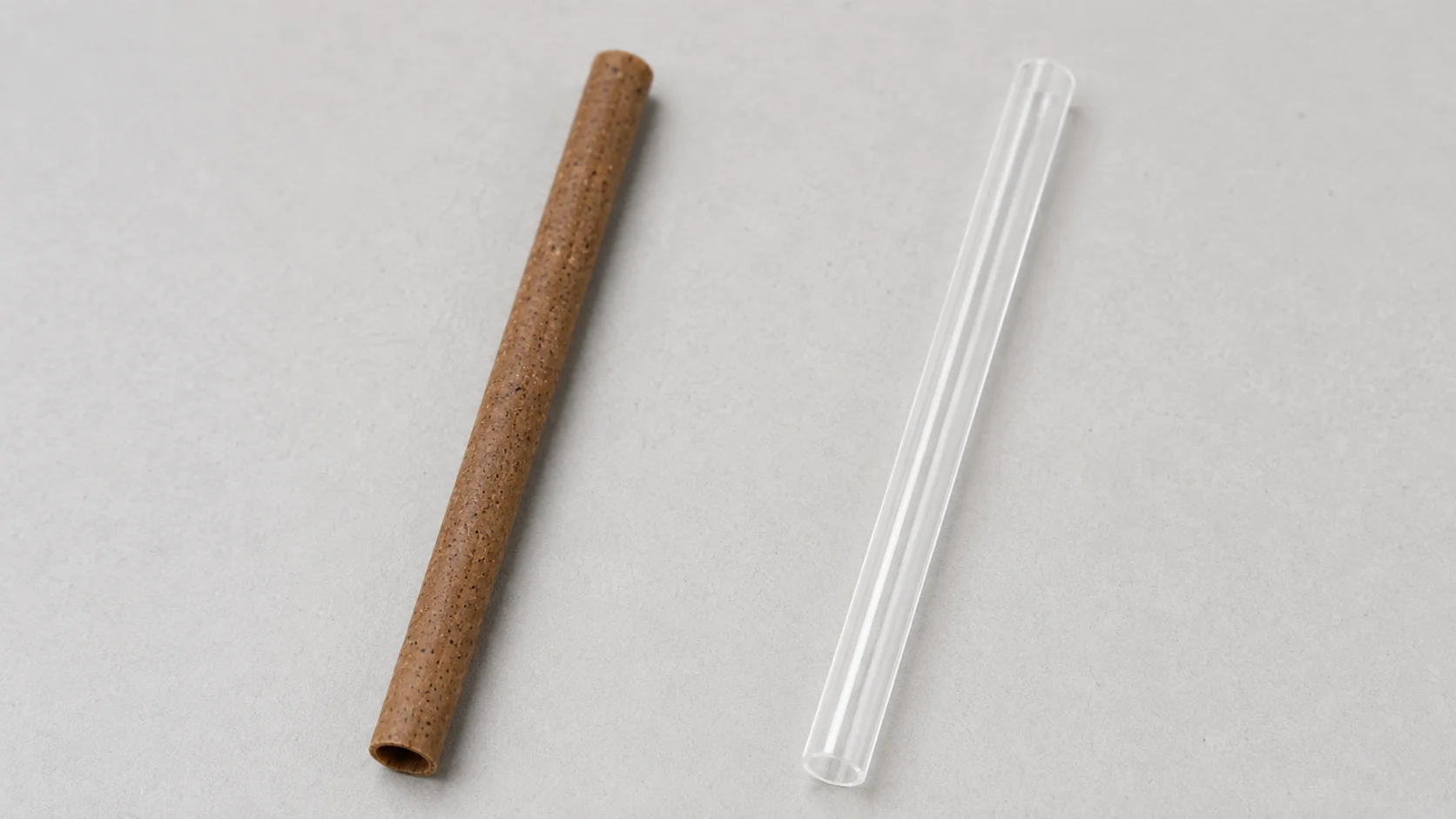
Şeker kamışı pipetleri ustaca hazırlanmışküspeşeker üretimi sırasında şeker kamışı saplarından meyve suyu çıkarıldıktan sonra kalan lifli kalıntı. Bitkinin şeker içeriğinden arınmış olan bu malzeme doğal olarak gluten içermez. Küspeyi pipet haline getirmeye yönelik tüm rafine etme ve üretim süreci, ayrıca hiçbir gluten içeren maddenin dahil edilmemesini sağlayarak ek bir güvence katmanı sağlar. Momoio da dahil olmak üzere pek çok saygın üretici, şeker kamışı pipetlerinin glütensiz olduğunu açıkça belirtiyor ve saf bileşimlerini doğrulamak için sıklıkla bağımsız plastik içermeyen sertifikasyona tabi tutuluyor.

Bu içsel glütensiz kalite, işletmenizin güvenle kapsayıcı bir çözüm sunabilmesini, tüm müşterileri çapraz bulaşma veya glütenle ilgili diyet kısıtlamaları endişesi olmadan karşılayabilmesini sağlar. Şeker kamışı pipetleri, özel beslenme ihtiyaçlarını karşılamanın ötesinde, olumlu bir müşteri deneyimi için gerekli olan üstün performans özellikleri sunar. Son derece dayanıklı olacak, uzun süreli kullanımda bile ıslanmaya karşı dirençli olacak ve içeceklere istenmeyen bir tat vermemelerini sağlayacak şekilde tatsız kalacak şekilde tasarlandılar. Ayrıca, sağlam yapıları, genellikle -20°C ila 50°C arasındaki geniş bir sıcaklık aralığında olağanüstü iyi performans göstermelerine olanak tanır ve bu da onları hem soğuk hem de sıcak içecekler için uygun kılar. Gerçekten çok yönlü, güvenli ve yüksek performanslı bir pipet çözümü arayan işletmeler için şeker kamışı ilgi çekici bir teklif sunuyor.
B. Karmaşık Çevre Dostu Ortamda Yön Bulmak: “Yeşil”den Daha Fazlası
Günümüz pazarında bir ürünün sadece “çevre dostu” olduğunu iddia etmek artık yeterli değil. B2B alıcıları, düzenlemeler, sertifikalar ve ortaya çıkan çevresel kaygılar labirentinde yol almak zorundadır. Şeker kamışı pipetleri yalnızca glütensiz özellikleriyle değil, aynı zamanda gerçek anlamda sürdürülebilir ve uyumlu bir çözümün katı gereksinimlerini karşılamasıyla da öne çıkıyor.
1. True Biodegradability & Compostability
The hallmark of a genuinely eco-friendly straw is its end-of-life profile. Sugarcane straws are a prime example of true biodegradability and certified compostability. Unlike many conventional plastics and even some bioplastics that struggle to break down, sugarcane straws are designed to return to nature. They are industrially compostable, meaning they can break down into nutrient-rich compost, water, and carbon dioxide within 3-6 months in commercial composting facilities. This makes them a genuine, viable alternative to problematic single-use plastics, including those bioplastics that, under certain regulations, are still categorized as plastic due to their chemical structure or persistence in the environment.
2. Regulatory Alignment: Meeting Global Standards
The shift away from single-use plastics is not merely a trend; it’s a global regulatory imperative. Understanding how your chosen straw solution aligns with these evolving compliance frameworks is critical.
- AB Tek Kullanımlık Plastik Direktifi (SUPD): 3 Temmuz 2021'de yürürlüğe giren AB SUPD, tek kullanımlık plastik pipetleri tüm üye ülkelerde açıkça yasaklıyor. Daha da önemlisi, bu yasak, PLA (polilaktik asit) gibi biyoplastiklerden yapılan pipetleri ve herhangi bir plastik bileşen içeriyorsa "biyolojik kaynaklı" veya "evde kompostlanabilir" olarak etiketlenen pipetleri de kapsıyor. Direktif, bu malzemeleri, kökenlerine veya biyolojik olarak parçalanabilirlik iddialarına bakılmaksızın plastik olarak kabul ediyor ve plastik atıkların azaltılmasını vurguluyor. Direktif, gerçekten plastik içermeyen alternatiflere odaklanıyor ve yeniden kullanılabilir seçenekleri teşvik ediyor. Şeker kamışı gibi malzemeler, plastik içermediği ve endüstriyel olarak kompostlanabilir olduğu onaylandığında, SUPD'nin plastik olmayan bir alternatif sunarak denizdeki plastik kirliliğini azaltmaya yönelik temel hedefiyle uyumlu hale geliyor. Avrupa Birliği'nin plastik atıklarla mücadele konusundaki kararlılığı, aşağıdakiler gibi resmi kaynaklar aracılığıyla daha ayrıntılı olarak incelenebilir: Avrupa Komisyonu'nun tek kullanımlık plastiklerle ilgili Çevre sayfası.
- Gübrelenebilirlik Standartları (EN 13432, ASTM D6400/D6868): Gübrelenebilir olduğu iddia edilen herhangi bir ürün için, sağlam, uluslararası kabul görmüş standartlara bağlılık tartışılamaz. Bu standartlar, orijinal gübrelenebilir malzemeleri yanıltıcı iddialara sahip olanlardan ayırarak, ürünlerin zararlı kalıntılar bırakmadan gerçekten parçalanmasını sağlar.
- EN 13432 (Avrupa Standardı): Bu standart, ambalajların Avrupa'da endüstriyel kompostlaştırma ve biyolojik bozunma yoluyla geri kazanılabilir sayılmasına ilişkin sıkı gereklilikleri özetlemektedir. Anahtar kriterler şunları içerir:
- Biyobozunurluk: At least 90% of the organic carbon must convert to CO₂ within a maximum of 6 months.
- Parçalanma: Within 12 weeks, at least 90% of the material must pass through a 2×2 mm sieve, ensuring physical breakdown.
- Kimyasal Bileşimi: Strict limits on heavy metals and other harmful substances to prevent compost contamination.
- Ekotoksisite: The resulting compost must not adversely affect plant growth or quality.
- ASTM D6400 / D6868 (Amerikan Standartları): These standards are the North American equivalents, developed by ASTM International, defining requirements for labeling plastics and products as “compostable in municipal and industrial composting facilities.”
- ASTM D6400: Applies to solid plastic films and products, requiring 90% biodegradation within 180 days and 90% disintegration (passing a 2mm sieve) within 12 weeks. Also includes ecotoxicity tests.
- ASTM D6868: Specifically for products where biodegradable plastic films or coatings are attached to compostable substrates (e.g., plastic-coated paper). It ensures the entire composite product is compostable.
To illustrate the alignment and slight differences, consider this comparison:Table 1: Comparison of Key Industrial Compostability StandardsFeatureEN 13432 (Europe)ASTM D6400 (North America)OdakIndustrial CompostingIndustrial/Municipal CompostingBiyolojik bozunma≥ 90% CO₂ conversion in ≤ 6 months≥ 90% biodegradation in ≤ 180 days (6 months)Parçalanma≥ 90% material through 2mm sieve in ≤ 12 weeks≥ 90% material through 2mm sieve in ≤ 12 weeks (84 days)EkotoksisiteNo adverse effects on plant growth/compost quality, includes earthworm toxicity testNo adverse effects on plant growth, heavy metals < 50% EPA thresholdAğır MetallerStrict limits specifiedRegulated metals < 50% EPA thresholdChemical AnalysisYes, to assess material compositionYes, for elemental analysisSertifikalarTÜV Austria (OK compost INDUSTRIAL), DIN CERTCOBPI (Biodegradable Products Institute)
- EN 13432 (Avrupa Standardı): Bu standart, ambalajların Avrupa'da endüstriyel kompostlaştırma ve biyolojik bozunma yoluyla geri kazanılabilir sayılmasına ilişkin sıkı gereklilikleri özetlemektedir. Anahtar kriterler şunları içerir:
- Third-Party Certifications (BPI/TÜV OK compost): Achieving these standards is not self-declared; it requires rigorous third-party verification.
- BPI (Biyobozunur Ürünler Enstitüsü) Sertifikasyonu: A leading North American non-profit, BPI certifies products and packaging that meet ASTM D6400 or D6868 standards. The BPI certification mark assures consumers and commercial composters that an item will break down completely in industrial composting facilities, helping prevent contamination. BPI also requires certified products to be free of intentionally added PFAS, with total organic fluorine measuring under 100 parts per million.
- TÜV Austria’s OK compost Certification: Uluslararası bir sertifikasyon kuruluşu olan TÜV Avusturya, “OK kompost INDUSTRIAL” (endüstriyel ortamlarda EN 13432 uyumluluğu için) ve “OK kompost HOME” (düşük sıcaklıkta evde kompostlama için) sunmaktadır. Bu etiketler, bir ürünün çevreye zarar vermeden biyolojik olarak gerçekten ayrıştığını doğrulayan güvenilir bir kompostlanabilirlik sembolü sağlar. Pek çok şeker kamışı pipeti, kompostlanabilir doğasının şeffaf, doğrulanabilir kanıtını sağlayan bu hayati önem taşıyan sertifikaları taşır.

3. PFAS Sorunu: “Çevre Dostu” Pipetlerdeki Gizli Tehlike
“Çevre dostu” iddiaların bütünlüğü, PFAS (per- ve poliflorofloroalkil maddeler) kontaminasyonunun yaygın sorunu nedeniyle ciddi şekilde sorgulanmıştır. Bu "sonsuza kadar kimyasallar" B2B alıcıları için kritik bir endişe kaynağıdır.
- Widespread Contamination: Recent studies have uncovered a high prevalence of PFAS in many paper and bamboo straws, often intentionally added for water and grease resistance, or through unintentional contamination during manufacturing. A 2023 European study, for example, found PFAS in 90% of paper straws and 80% of bamboo straws tested. This is alarming because these chemicals can leach into beverages, directly exposing consumers.
- Sağlık ve Çevre Riskleri: PFAS persist indefinitely in the environment and human body, linked to a host of serious health issues, including lower vaccine response, developmental problems, thyroid disease, and various cancers. Their presence fundamentally undermines the “eco-friendly” claims of products containing them, as they do not degrade and pose long-term environmental and health risks.
- Stricter Regulations: Regulatory bodies are responding swiftly. In the US, states like California (with AB 1200, effective January 2023) are banning intentionally added PFAS in food contact materials, including paper straws. Federal policy is also tightening, with the National Defense Authorization Act for fiscal year 2020 banning PFAS in food packaging for military meals, and a recent Executive Order (14208, Feb 2025) highlighting the health dangers of PFAS in paper straws. The European Union is similarly moving to address PFAS in packaging.
- Sugarcane as a Safer Alternative: This regulatory and health spotlight on PFAS underscores the critical advantage of genuinely PFAS-free options like sugarcane straws. By choosing naturally derived materials free from these insidious chemicals, businesses can avoid significant health and compliance risks. As noted, BPI certification explicitly requires products to be free of intentionally added PFAS, providing an extra layer of confidence.
Table 2: PFAS Risk Assessment for Common Straw Materials
| Saman Malzemesi | Typical PFAS Presence | Environmental Impact (PFAS) | Health Impact (PFAS) | Regulatory Risk (PFAS) |
|---|---|---|---|---|
| Kağıt Pipetler | High (often intentionally added for water resistance) | Persistent, non-degrading | Potential leaching, long-term exposure risks | High (increasing bans/restrictions) |
| Bambu Pipetler | Moderate to High (due to natural or added coatings/contamination) | Persistent, non-degrading | Potential leaching, long-term exposure risks | Orta ila Yüksek |
| Plastik Pipetler | Generally Low (but plastic itself has other environmental issues) | Microplastic pollution | Generally not PFAS concern (but other plasticizer risks) | Banned by SUPD, some state bans for single-use plastic |
| Şeker Kamışı Pipetleri | None (inherently PFAS-free) | Compostable, naturally degrading | Safe, no PFAS leaching concerns | Very Low (compliant) |
| Paslanmaz çelik | Hiçbiri | Recyclable, durable | Safe | Çok Düşük |
| Cam Pipetler | Hiçbiri | Reusable, durable, recyclable | Safe | Çok Düşük |
| Silikon Pipetler | None (often BPA/PFAS-free) | Yeniden kullanılabilir | Safe | Çok Düşük |
4. Avoiding Greenwashing: The FTC Green Guides
With rising consumer and regulatory scrutiny, claims of environmental friendliness must be verifiable and transparent. The Federal Trade Commission’s (FTC) Green Guides provide essential guidance for marketers to avoid making deceptive environmental claims, ensuring honest communication.
- Purpose and Scope: The Green Guides, issued by the Federal Trade Commission (FTC), aim to prevent misleading environmental marketing. They apply to all forms of marketing claims, from product labels to advertisements, and cover both B2C and B2B communications. While not legally binding regulations, claims inconsistent with them can lead to FTC enforcement actions under Section 5 of the FTC Act.
- Key Principles: The guides emphasize that environmental claims must be specific, substantiated by competent and reliable scientific evidence, and presented in clear, simple language. Broad, unqualified claims like “eco-friendly” or “sustainable” are strongly discouraged because they can be interpreted in various, often deceptive, ways by consumers. Marketers must qualify such claims with clear and prominent language that specifies the particular, verifiable environmental benefit. For instance, a straw should not be labeled simply “biodegradable” without specifying the conditions (e.g., “industrially compostable where facilities exist”). This is why third-party certifications are so vital – they provide the verifiable evidence required by the FTC.
The Strategic Advantage of Momoio’s Sugarcane Straws
In a marketplace demanding both sustainability and compliance, aligning with a partner who understands these complexities is paramount. Momoio offers not just products, but a strategic advantage for your business.
A. Fulfill Diverse Customer Demands & Elevate Your Brand Reputation
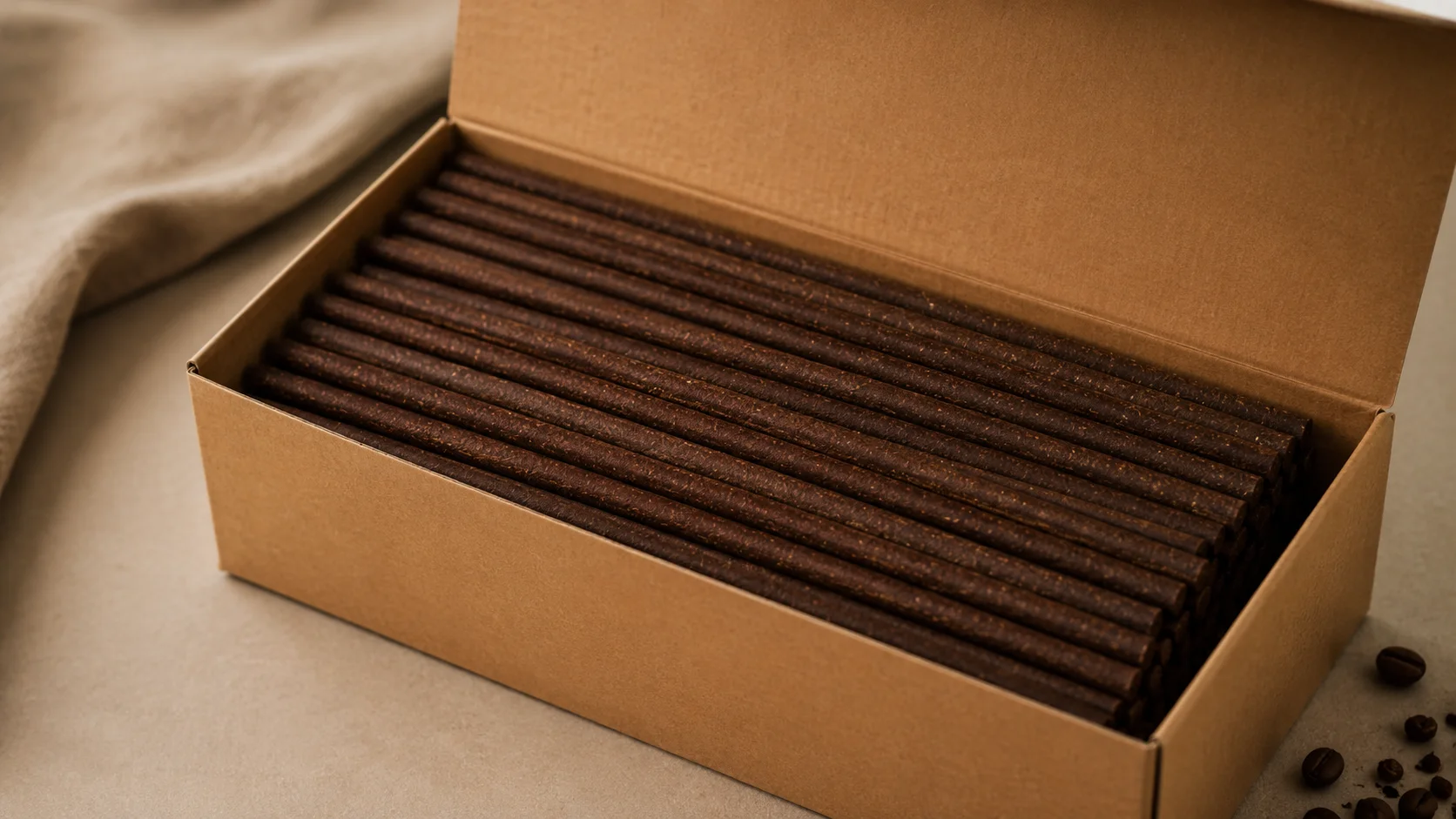
Choosing Momoio’s sugarcane straws allows you to seamlessly cater to the growing segment of health-conscious consumers and those with gluten sensitivities. Offering a certified gluten-free straw immediately signals inclusivity and attention to detail, strengthening your brand’s appeal. Furthermore, by providing genuinely sustainable, plastic-free, and compostable solutions, you differentiate your business in a competitive market. This commitment to true eco-responsibility enhances your brand image, fosters trust, and resonates deeply with environmentally aware customers, driving loyalty and positive perception. We understand the need for diverse sustainable offerings; for example, explore our innovativeKahve zemin pipetlerifor another unique, eco-conscious option.
B. Ensure Compliance & Mitigate Business Risks
Navigating the ever-evolving maze of environmental regulations can be daunting. By choosing inherently compliant materials like Momoio’s sugarcane straws, your business proactively stays ahead of evolving mandates such as the EU SUPD and the increasing state-level PFAS bans in the US. Our commitment to rigorously tested and certified products means you can protect your customers and your brand reputation by selecting certified PFAS-free straws, especially as regulatory scrutiny intensifies.
Leveraging robust third-party certifications (e.g., BPI, TÜV Austria OK compost) for your eco-friendly products builds undeniable credibility with both customers and regulators, verifying compostability and environmental integrity. This proactive approach also future-proofs your operations. Global Extended Producer Responsibility (EPR) trends are increasingly shifting waste management burdens to producers and incentivizing truly recyclable and compostable packaging. By investing in solutions that align with these trends, your business can realize long-term cost savings, streamline waste management, and enhance operational efficiency, turning compliance into a competitive advantage.
C. Momoio’s Commitment to Certified, High-Performance Sustainable Solutions
At Momoio, our dedication to innovation, quality, and environmental responsibility is woven into every product we offer. Oursürdürülebilir çevre dostu şeker kamışı payetleriare a testament to this commitment. They are proven gluten-free, plastic-free, PFAS-free, and industrially compostable, delivering exceptional durability and user experience without compromise. We ensure our products meet stringent safety and compostability standards, offering you peace of mind and verifiable claims.

But our commitment extends beyond straws. We offer a comprehensive suite of sustainable packaging solutions designed to meet the diverse needs of modern businesses. Explore our widerrange of eco-friendly productsto discover how we can help you integrate compliant and genuinely sustainable choices across your entire operation. From bagasse bowls to compostable cutlery, Momoio is your partner in building a greener, more responsible future for your business and your customers.
Sıkça Sorulan Sorular
Sugarcane straws • Compostability • Compliance
Yes, sugarcane straws are unequivocally gluten-free. They are made from bagasse, the fibrous residue remaining after juice extraction from the sugarcane plant. Sugarcane is a member of the grass family, fundamentally distinct from gluten-containing grains, and its natural protein composition is entirely free from gluten.
The manufacturing process further ensures no gluten-containing substances are introduced, making them a safe choice for individuals with celiac disease or gluten sensitivity.
Sugarcane straws are genuinely eco-friendly because they are made from a renewable byproduct (bagasse) and are industrially compostable. They are designed to break down into nutrient-rich compost, water, and carbon dioxide within 3–6 months in commercial composting facilities.
This aligns with certified compostability standards like EN 13432 (Europe) and ASTM D6400/D6868 (North America), making them a viable alternative to problematic single-use plastics.
Yes, sugarcane straws align with the EU Single-Use Plastics Directive (SUPD), which banned single-use plastic straws across member states from July 3, 2021.
Unlike many bioplastics (e.g., PLA) that are still categorized as plastic under the SUPD due to their chemical structure, certified plastic-free and industrially compostable sugarcane straws offer a genuine non-plastic alternative, supporting the directive’s core objective of reducing marine plastic pollution.
Yes, sugarcane straws are described here as inherently PFAS-free. This is a critical advantage, as recent studies have uncovered a high prevalence of PFAS in many paper and bamboo straws, often intentionally added for water resistance.
By choosing naturally derived, PFAS-free options like sugarcane straws, businesses can avoid significant health and compliance risks. Certifications like BPI explicitly require products to be free of intentionally added PFAS, with total organic fluorine under 100 parts per million.
For reliable compostability, B2B buyers should look for rigorous third-party certifications:
North America: BPI (Biodegradable Products Institute) certifies products against ASTM D6400 or D6868 standards, assuring breakdown in industrial composting facilities.
Avrupa: TÜV Austria’s Tamam kompost ENDÜSTRİYEL indicates compliance with EN 13432. These certifications provide verifiable proof that products genuinely biodegrade without harming the environment.